No supplement treats perimenopause itself, but a short list has credible evidence for specific symptoms and a much longer list does not. The transition is driven by fluctuating rather than simply low estradiol, alongside falling luteal progesterone (STRAW+10, Harlow et al., 2012), which is why capsules promising to "balance hormones" rarely do what the label implies. What supplements can do is correct a measured deficiency, protect bone and muscle through a decade of accelerated loss, and in a few cases modestly reduce hot flashes, poor sleep or low mood. This guide sorts the options into three evidence tiers, gives the forms and ranges used in trials, flags the interactions to clear first, and names what to leave on the shelf.
Free interactive tool
Supplement shelf check
Tick what is on your shelf to see where each item sits in the three evidence tiers, and which interactions to clear first.
In this article
- Food, sleep and resistance training set the ceiling on what any supplement adds
- A three-tier evidence framework you can apply to any product you are sold
- Tier 1: vitamin D, magnesium, omega-3, creatine, and the labs behind iron and B12
- Tier 2: soy isoflavones, black cohosh, ashwagandha and named probiotic strains
- Tier 3: the heavily marketed ingredients with thin, negative or unsafe evidence
- Forms, studied ranges, interactions and third-party quality checks
- A sequencing approach that avoids buying nine bottles at once
Food, sleep and training set the ceiling
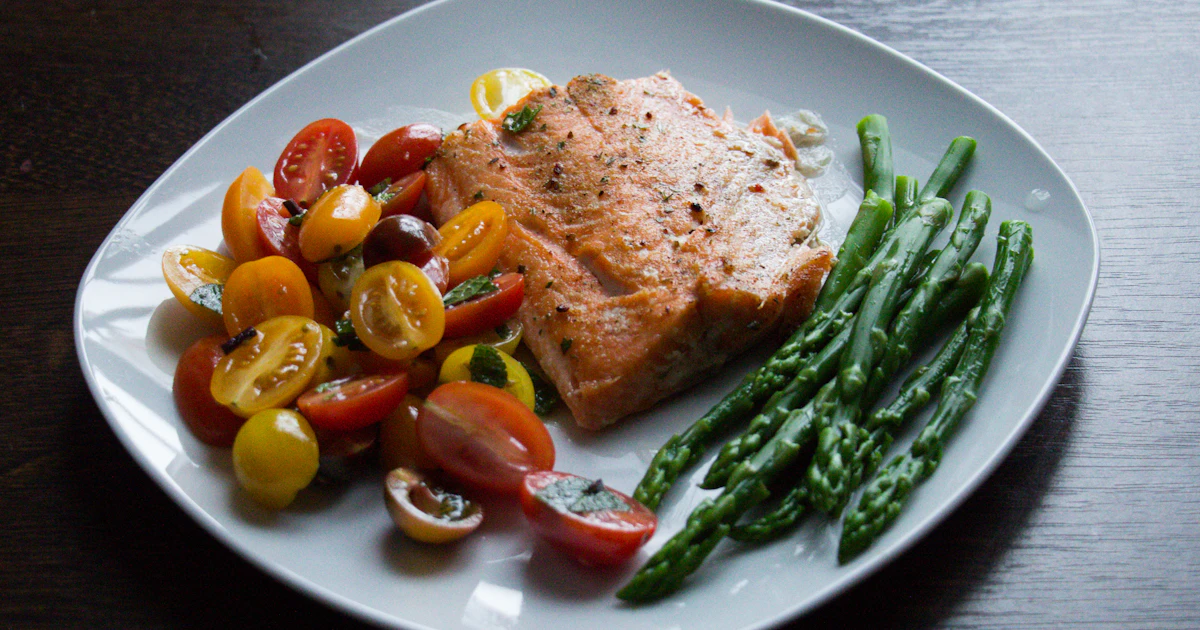
Supplements are correction tools, not substitutes. A woman eating 60 grams of protein a day and sleeping six broken hours will not out-supplement either problem. The Institute for Functional Medicine places nutrition and lifestyle at the base of the therapeutic order, with targeted nutrients layered on afterwards (IFM). Protein at every meal defends lean mass, fiber steadies post-meal glucose and supports estrogen clearance through the gut, and regular meal timing blunts afternoon crashes. Where weight or energy has shifted, those mechanisms usually explain more than any nutrient gap, as the pieces on perimenopause weight gain and perimenopause fatigue set out.
Set expectations accordingly. In the better trials, effective non-hormonal options reduce hot flash frequency by a modest margin over placebo, not to zero (The Menopause Society). A supplement promising transformation is making a bigger claim than its data.
Prescription non-hormonal options have also widened. Elinzanetant (Lynkuet) was approved on 24 October 2025 as a second non-hormonal option for hot flashes, acting on the NK1 and NK3 receptors. Fezolinetant, the earlier drug in that class, gained a boxed warning for rare but serious liver injury in December 2024. Both are prescribing decisions for your own clinician.
How to read the evidence: three tiers
This is the filter we use when a patient arrives with a photograph of a shelf and a question about which of it is worth keeping.
| Tier | What the evidence looks like | Reasonable expectation | Examples |
|---|---|---|---|
| Tier 1 | Replicated trials for a defined outcome, or correction of a deficiency confirmed on labs | A measurable effect on the outcome studied | Vitamin D, magnesium, omega-3, creatine, iron or B12 when labs justify them |
| Tier 2 | Trials exist but are mixed, effects are small, or benefit sits in a subgroup | Worth a defined 8 to 12 week trial for one symptom | Soy isoflavones, black cohosh, ashwagandha, melatonin, named probiotic strains |
| Tier 3 | Mechanism, tradition or animal data, or trials that failed to beat placebo | Low probability of benefit, and some real safety questions | Wild yam cream, dong quai, evening primrose oil, adrenal glandulars, blends |
Two rules follow. Tier belongs to the outcome, not the ingredient: magnesium has good evidence for repletion, fair evidence for sleep and none for "balancing estrogen". And tier is not safety: some Tier 3 products are merely wasteful, a few are risky.
Tier 1: the short list
Vitamin D
Vitamin D matters in this decade mainly for bone, because loss accelerates in late perimenopause and the first postmenopausal years (NIH ODS). Test 25-hydroxy vitamin D rather than guess, correct a low result, retest. D3 raises serum levels more efficiently than D2 and absorbs better with fat. Very high-dose regimens have shown no added benefit and, in some trials, harm.
Magnesium
Low intakes are common and status is poorly captured on standard serum testing (NIH ODS). In perimenopause it is used for sleep quality, cramps and constipation. Form decides purpose: glycinate and threonate are better tolerated for sleep and repletion, citrate is mildly laxative, oxide is poorly absorbed. ODS lists a 350 mg daily upper limit for supplemental magnesium, separate from food, and it accumulates in reduced kidney function.
Omega-3 (EPA and DHA)
Marine omega-3s have solid evidence for lowering triglycerides and mixed evidence for mood at higher EPA ratios; evidence for hot flashes is weak (NIH ODS). Read combined EPA plus DHA per serving rather than total fish oil, which is often three times larger. Triglyceride-form products absorb better than ethyl esters, and two portions of oily fish weekly reaches similar territory.
Creatine monohydrate
Creatine is the most under-discussed Tier 1 option for women in this age band. Trials pair it with resistance training and report gains in strength and lean mass, with the studied range around 3 to 5 grams daily. It is not a hormone and does nothing to estradiol; it supports the training that protects the muscle and bone actually at risk. Monohydrate is the studied form, and the early water-weight shift is intramuscular rather than fat.
Iron, B12 and calcium: test, do not guess
Heavy or unpredictable bleeding defines much of the transition, and iron deficiency is a frequent, treatable cause of fatigue blamed on hormones. Iron is supplemented against ferritin and a blood count, never symptoms alone, because unnecessary iron causes harm (NIH ODS). B12 deserves the same discipline where metformin, acid-suppressing medication or low animal-food intake are in play (NIH ODS). Calcium is best reached through food, since supplemental calcium beyond the recommended intake adds no skeletal benefit (NIH ODS). All three belong in the panel described in our guide to hormone testing for women.
Tier 2: worth a defined trial for one symptom
Soy isoflavones and S-equol
Isoflavones are the best-studied plant option for vasomotor symptoms, with meta-analyses reporting a modest reduction in hot flash frequency against placebo over several weeks (NCCIH). The wrinkle is S-equol: only some women carry gut bacteria that convert daidzein into equol, the more active metabolite, which may explain why trials split. Whole soy foods come before concentrated extracts.
Black cohosh
Black cohosh has been trialed extensively with genuinely mixed results, and NCCIH concludes the evidence does not clearly support benefit while noting rare reports of liver injury (NCCIH). It is not an estrogen. If trialed, use a single standardized product rather than one ingredient buried in a blend, for a defined period, stopping for jaundice, dark urine or upper abdominal pain.
Ashwagandha
Small randomized trials of standardized extracts report improvements in perceived stress and sleep quality over 8 to 12 weeks, with studied amounts clustered around 300 to 600 mg daily. The trials are small and frequently industry-funded, which keeps it in Tier 2. It has immune-stimulating properties and case reports of thyroid function change, so anyone with Hashimoto's should raise it first; see our autoimmune care page.
Probiotics, strain by strain
Probiotic evidence is strain-specific and does not transfer between products. Named strains have trial support for bloating and regularity, which matters here because the gut participates in estrogen clearance. A label reading only "Lactobacillus blend" matches no trial. Our digestive and gut health page covers how gut symptoms are worked up alongside hormonal ones.
Tier 3: heavily marketed, thinly evidenced
Each of these appears constantly in perimenopause stacks, and each is here for a specific reason rather than a general suspicion of botanicals.
- Wild yam cream. Diosgenin becomes progesterone in a laboratory, not in the human body. It does not raise progesterone.
- Over-the-counter progesterone creams. Potency and absorption vary widely and unsupervised use has endometrial consequences. This is a prescription conversation.
- Oral DHEA. A hormone precursor sold as a supplement, converting to estrogen and testosterone at variable rates. The Endocrine Society treats androgen therapy as supervised prescribing.
- Dong quai. No benefit for hot flashes in controlled trials, plus anticoagulant and photosensitizing effects.
- Evening primrose oil. Repeatedly trialed for hot flashes and breast tenderness with largely negative results.
- Maca. Small, low-quality libido trials; harmless as food, unjustified at extract prices.
- DIM and I3C. Sold on laboratory data. They shift measured estrogen metabolites without demonstrated symptom benefit, which makes them easy to sell alongside a test result.
- Adrenal glandulars and "adrenal fatigue" formulas. Adrenal fatigue is a popular label; the measurable pattern behind it is HPA-axis dysregulation, which is what testing and treatment address. The real phenomenon is HPA axis dysregulation, assessed through cortisol rhythm and history rather than treated with dried animal tissue.
- Licorice root. Glycyrrhizin raises blood pressure and lowers potassium, yet appears unflagged in many "hormone support" blends.
- High-dose vitamin E. Marginal effect on hot flashes, bleeding risk at dose.
Forms and studied ranges: how to read a label
Labels rarely match the trials they imply. These describe what research used, not what you should take; the right amount is a conversation with a clinician who knows your labs and medication list.
| Supplement | Form used in studies | Range seen in studies | Outcome studied | Label note |
|---|---|---|---|---|
| Vitamin D | D3 (cholecalciferol) | Titrated to a low 25-OH-D result | Bone density, deficiency correction | Take with fat; retest, do not escalate blindly |
| Magnesium | Glycinate, threonate, citrate | Supplemental limit 350 mg daily (ODS) | Sleep quality, cramps, repletion | Oxide poorly absorbed; citrate loosens stools |
| Omega-3 | Triglyceride-form EPA/DHA | 1 to 2 g combined EPA plus DHA | Triglycerides, mood support | Read EPA+DHA per serving, not total oil |
| Creatine | Monohydrate | 3 to 5 g daily with resistance training | Strength, lean mass | Premium variants add cost, not data |
| Soy isoflavones | Soy foods or standardized extract | 50 to 80 mg isoflavones daily | Hot flash frequency | Allow 6 to 12 weeks; responders may be equol producers |
| Black cohosh | Standardized root extract | 20 to 80 mg extract daily | Vasomotor symptoms (mixed) | Single-ingredient only; stop for liver symptoms |
| Ashwagandha | Standardized root extract | 300 to 600 mg daily | Perceived stress, sleep quality | Caution in autoimmune thyroid disease |
| Iron | Ferrous bisglycinate or sulfate | Set against ferritin and blood count | Iron-deficiency fatigue | Keep 4 hours from levothyroxine |
Interactions and quality checks to clear first
Supplements are not reviewed for safety or efficacy before sale; the FDA acts after products reach the market (FDA). Choose third-party-verified products carrying USP or NSF marks, and bring the whole bottle list to every appointment, because interactions are where the real harm sits.
- St John's wort induces CYP3A4 and undermines hormonal contraception, some antidepressants, anticoagulants and tamoxifen.
- Black cohosh carries rare hepatotoxicity reports; stop for jaundice, dark urine or right upper abdominal pain.
- Fish oil can prolong bleeding time and is usually paused before surgery.
- Calcium and iron block levothyroxine absorption and need about four hours of separation from it.
- Magnesium accumulates in reduced kidney function and blocks some antibiotics taken together.
- Licorice raises blood pressure and depletes potassium, a poor pairing with diuretics.
- Isoflavone extracts need an oncology conversation where there is a personal history of hormone-receptor-positive breast cancer.
Interactive tool
Supplement shelf check
Tick what is on your shelf to see where each item sits in the three evidence tiers, and which interactions to clear first.
What to skip regardless of the ingredient list
- Proprietary blends listing one total milligram figure for twelve ingredients, so nothing can be matched to a trial dose.
- Products sold straight off a free online "hormone quiz" that diagnoses you and sells the answer.
- "Detox" and "estrogen reset" kits, which promise more than the physiology supports.
- Nine bottles started in one week, which makes benefit and side effects equally untraceable.
- Anything positioned as an alternative to checking thyroid function, ferritin, glucose or sleep apnea.
A sequencing approach that avoids waste
The women who get most from supplements take the fewest, in a deliberate order.
- Rule out mimics. Thyroid panel with antibodies, ferritin and full blood count, fasting glucose and insulin, sleep history.
- Interpret hormones with timing. Serum estradiol and progesterone are read against cycle phase, and urinary panels such as DUTCH describe metabolite output rather than diagnosing the transition.
- Correct measured deficiencies before anything botanical.
- Change one thing at a time. One Tier 2 trial, one target symptom, 8 to 12 weeks, one daily score.
- Stop what did nothing. A supplement that has not moved its target symptom in three months is a subscription, not a treatment.
That order also keeps the hormone therapy conversation open. These are not competing philosophies: The Menopause Society treats hormone therapy as the most effective option for moderate to severe vasomotor symptoms in appropriate candidates, with non-hormonal options for women who cannot or prefer not to use it. Our perimenopause and menopause care page covers how both sit in one plan, and the complete functional medicine guide to perimenopause gives the wider context. The functional medicine process page explains how a workup at Interlinked Wellness is structured for women across Texas.
On 10 November 2025 the FDA removed the boxed warnings about cardiovascular disease, breast cancer and probable dementia from menopausal hormone therapy products, and the first six relabeled products were approved on 12 February 2026. The boxed warning about endometrial cancer stays on systemic estrogen-alone products. The Menopause Society's position statement remains the 2022 edition as of September 2026, and the Society supported removing the warning from low-dose vaginal estrogen. Where you land on it belongs with your prescribing clinician.
FAQ
Do any supplements actually help hot flashes?
Soy isoflavones carry the most consistent signal, with meta-analyses reporting a modest reduction in frequency over placebo after six to twelve weeks. Black cohosh results are mixed and NCCIH concludes the evidence does not clearly support it. Neither approaches the effect size of hormone therapy in suitable candidates, so a supplement trial should not delay a treatment conversation when symptoms are disrupting sleep and work.
Is black cohosh safe?
Short-term use appears well tolerated for most people, but NCCIH notes rare reports of liver injury, some serious, with causality hard to establish because many products are multi-ingredient blends. The safer approach is a single standardized product from a third-party-verified brand, a defined trial period, awareness of liver warning signs, and a prior conversation with your clinician if you have a liver condition.
Can supplements replace hormone therapy?
No, and treating it as a contest leads to poor decisions. Hormone therapy remains the most effective treatment for moderate to severe vasomotor symptoms in appropriate candidates according to The Menopause Society, with risks that depend on age, time since the final period, route and personal history. Supplements address different targets: deficiency correction, bone and muscle support, modest symptom modulation.
Is soy safe if breast cancer runs in my family?
Dietary soy foods are viewed differently from concentrated isoflavone supplements. Observational data in populations with high habitual soy intake have not shown increased breast cancer risk, and some show the opposite association, though association is not causation. Extracts have much thinner safety data, and anyone with a personal history of hormone-receptor-positive breast cancer should decide about them with their oncology team.
How long should I trial something before deciding it works?
Eight to twelve weeks for most Tier 2 botanicals, because isoflavone and black cohosh trials need roughly that long to separate from placebo. Deficiency correction differs: iron and B12 repletion often show over four to eight weeks, with a repeat lab to confirm. Track one target symptom daily, because memory invents improvement that did not happen.
References
- Harlow SD, et al. The Journal of Clinical Endocrinology and Metabolism. 2012. https://pubmed.ncbi.nlm.nih.gov/22344196/
- NIH Office of Dietary Supplements. National Institutes of Health. 2025. https://ods.od.nih.gov/factsheets/VitaminD-HealthProfessional/
- NIH Office of Dietary Supplements. National Institutes of Health. 2026. https://ods.od.nih.gov/factsheets/Magnesium-HealthProfessional/
- NIH Office of Dietary Supplements. National Institutes of Health. 2025. https://ods.od.nih.gov/factsheets/Omega3FattyAcids-HealthProfessional/
- NIH Office of Dietary Supplements. National Institutes of Health. 2025. https://ods.od.nih.gov/factsheets/Iron-HealthProfessional/
- NIH Office of Dietary Supplements. National Institutes of Health. 2025. https://ods.od.nih.gov/factsheets/VitaminB12-HealthProfessional/
- NIH Office of Dietary Supplements. National Institutes of Health. 2026. https://ods.od.nih.gov/factsheets/Calcium-HealthProfessional/
- National Center for Complementary and Integrative Health. National Institutes of Health. 2017. https://www.nccih.nih.gov/health/menopausal-symptoms-in-depth
- National Center for Complementary and Integrative Health. National Institutes of Health. 2024. https://www.nccih.nih.gov/health/black-cohosh
- Endocrine Society. Endocrine Society. 2022. https://www.endocrine.org/clinical-practice-guidelines
- U.S. Food and Drug Administration. U.S. Food and Drug Administration. 2024. https://www.fda.gov/food/dietary-supplements
- US Food and Drug Administration. US Food and Drug Administration. 2025. https://www.fda.gov/news-events/press-announcements/hhs-advances-womens-health-removes-misleading-fda-warnings-hormone-replacement-therapy
About the author

Anna Evans MSN, APRN, FNP-C
Founder, Interlinked Wellness
Anna Evans, MSN, APRN, FNP-C is a board-certified Family Nurse Practitioner licensed in Texas. She founded Interlinked Wellness, a virtual functional medicine practice serving women across Texas from offices in Dallas and Austin. Her clinical focus is perimenopause, hormone imbalance, gut health, thyroid and autoimmune conditions, and chronic fatigue.
More about Anna · Schedule a consultation · LinkedIn · Instagram
Medical disclaimer. The information on this page is provided for general education and is not individualized medical advice. At Interlinked Wellness, Anna Evans, MSN, APRN, FNP-C, provides personalized care based on your health history, symptoms, concerns, and goals. An individual consultation allows Anna to evaluate your specific situation and recommend an appropriate approach to care. Reading this page alone does not establish a patient-provider relationship. If you are experiencing a medical emergency, call 911 or your local emergency services.
Join Anna on a virtual wellness journey and unlock your full potential.