Balancing hormones naturally in perimenopause means changing the systems that modulate hormone signaling, not raising or lowering a hormone directly. Those systems are circadian rhythm, blood sugar and insulin, stress load, body composition and the gut pathways that clear estrogen. Working on them reduces the amplitude of symptoms and improves how you tolerate the fluctuation, which is a genuine and worthwhile result. What lifestyle cannot do is reverse ovarian aging: the follicle pool declines through the stages described by STRAW+10 (Harlow et al., 2012), and no protocol restores a 32-year-old hormone profile at 47. This article sets out what natural approaches realistically achieve, in what order to try them, how long each takes, and the specific situations where continuing alone is the wrong call.
Free interactive tool
What can lifestyle shift?
Tick the changes you are hoping for to see how much lifestyle work tends to move each one, and why.
In this article
- The scope of "balancing hormones naturally" in a transition driven by ovarian aging
- What to test before changing anything, and how cycle timing changes the result
- The four levers with the most leverage: circadian rhythm, blood sugar, stress and strength
- Why "adrenal fatigue" is the wrong frame, and what HPA axis assessment replaces it with
- Estrogen clearance through the gut, and where diet genuinely contributes
- What the trials actually measured, side by side
- A realistic timeline for each change, so you know when to judge it, and a 12-week checklist to save
- When natural approaches are not enough, and what the evidence supports next
What "natural" can and cannot mean here
Precision matters, because the phrase covers three different situations that behave very differently. In hypothalamic amenorrhea driven by under-eating and over-training, lifestyle change often restores cycles outright. In polycystic ovary syndrome, insulin-directed nutrition and training can substantially shift androgens and ovulation. In perimenopause, the underlying driver is follicle depletion, and lifestyle changes the experience of the transition rather than its trajectory.
| What you are hoping to change | How much lifestyle moves it | The mechanism |
|---|---|---|
| Sleep quality, night waking, energy | A great deal | Circadian regularity, alcohol, caffeine timing and glucose stability are all under your control |
| Mood, anxiety, stress tolerance | A great deal | HPA axis load, sleep debt and blood-sugar swings amplify the same hormonal fluctuation |
| Body composition, visceral fat, strength | A great deal | Protein intake and resistance training work regardless of estradiol |
| Hot flashes and night sweats | Modestly | Weight loss has some supporting evidence. Cooling and cutting alcohol can make nights more comfortable, but The Menopause Society does not recommend them, or soy and herbal supplements, as treatments for hot flashes |
| Cycle regularity and length | Little | Cycle change is driven by follicle depletion and anovulatory cycles |
| Vaginal dryness and urinary symptoms | Very little | Genitourinary tissue responds to local estrogen, not to diet or exercise |
| Age of menopause | Not at all beyond avoiding smoking | Timing is set mostly by factors you cannot change. In SWAN, not smoking was among the factors linked to a later final period (Gold et al., 2013) |
Interactive tool
What can lifestyle shift?
Tick the changes you are hoping for to see how much lifestyle work tends to move each one, and why.
Test first, then act
Symptoms attributed to hormones are frequently produced by something else, and the something else is usually treatable. Thyroid disease, iron deficiency, sleep apnea, depression and insulin resistance all overlap with the perimenopausal symptom set, so a baseline panel comes before a protocol.
- Thyroid panel including TSH, free T4, free T3 and thyroid antibodies.
- Ferritin and a full blood count, particularly with heavy or unpredictable bleeding.
- Fasting glucose, fasting insulin and HbA1c, since insulin resistance is measurable long before glucose looks abnormal.
- Sex hormones timed to the cycle: estradiol early in the cycle, progesterone in the mid-luteal phase about seven days after ovulation.
- A documented cycle and symptom log across two or three cycles, which routinely carries more diagnostic weight than a single blood draw.
One caution on interpretation. FSH oscillates through the early transition, so a single normal result does not exclude perimenopause, and urinary metabolite panels describe how hormones are being metabolized rather than diagnosing the stage. Our guide to hormone testing for women covers what each test can and cannot answer.
The four levers with real leverage
1. Circadian rhythm and sleep
Sleep is the lever that makes every other lever work. Sleep loss reduces insulin sensitivity measurably within days, raises evening cortisol (Spiegel et al., 1999) and increases appetite for exactly the foods that destabilize glucose, so a poor night propagates through the following day. The interventions that hold up are unglamorous: a consistent wake time seven days a week, daylight exposure within an hour of waking, caffeine confined to the morning, alcohol separated from bedtime, and a cool dark bedroom, which matters more when night sweats are in play. Where insomnia has become established, cognitive behavioral therapy for insomnia has the strongest evidence base of any intervention, and it is the recommended first treatment for chronic insomnia (American College of Physicians, 2016). It also works in the menopause transition: in a trial of perimenopausal and postmenopausal women with insomnia and hot flashes, it beat a menopause education program (McCurry et al., 2016). The American Academy of Sleep Medicine has more on finding a CBT-I provider.
2. Blood sugar and insulin
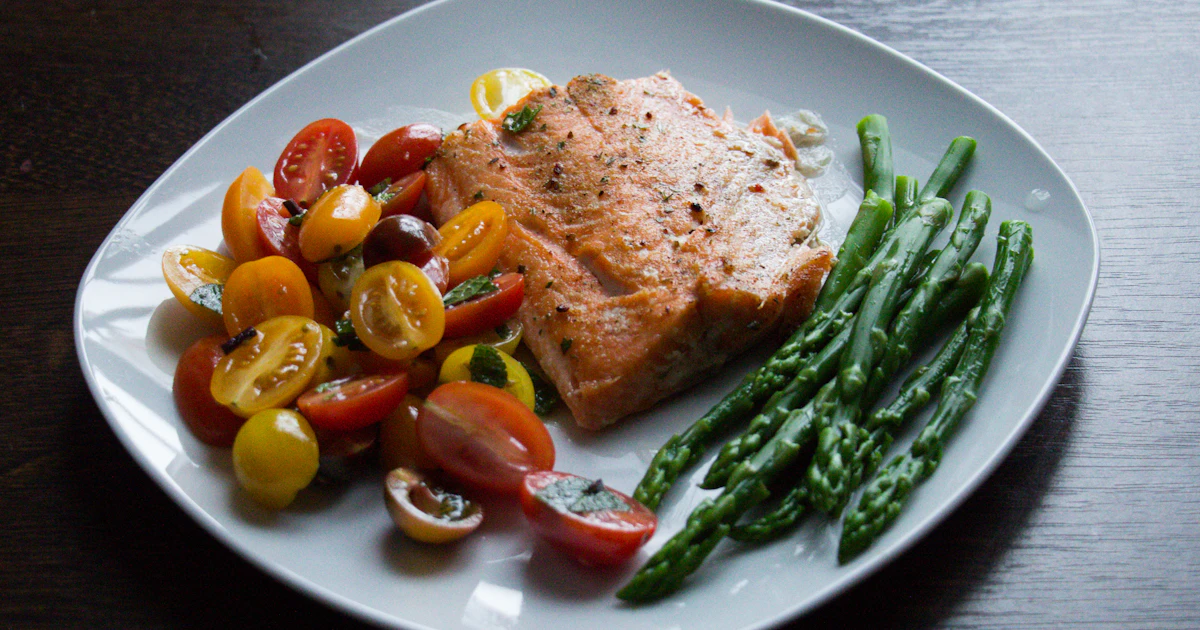
Falling estradiol is associated with reduced insulin sensitivity (Carr, 2003), so the same meal produces a larger glucose excursion than it did a decade earlier, and those excursions show up as afternoon crashes, reactive hunger and night waking. The practical rules are protein at every meal, fiber with every carbohydrate, a short walk after the largest meal, and no liquid sugar. Our perimenopause diet guide sets out the protein and fiber targets in detail.
3. Stress load and the HPA axis
This is where the language usually goes wrong. "Adrenal fatigue" is a popular label rather than a clinical diagnosis, and a systematic review found no evidence that it exists as a condition (Cadegiani and Kater, 2016). The adrenal glands do not become exhausted from stress; what changes is the rhythm of cortisol output, which is measurable. What is real is dysregulation of the hypothalamic-pituitary-adrenal axis: an altered cortisol rhythm, most often a blunted morning rise with elevated evening values, which is assessed through timed cortisol measurement interpreted alongside clinical history rather than treated with glandular supplements. It also matters clinically because genuine adrenal insufficiency is a serious diagnosis that must not be missed behind a wellness label.
The interventions with evidence are behavioral: paced breathing, regular aerobic activity, structured recovery, boundaries around work hours, and treatment of any underlying anxiety or depression. Where anxiety, brain fog and fatigue dominate the picture, our brain and body health page describes how that cluster is worked up.
4. Strength training and protein
Lean mass and bone decline faster through the transition. In SWAN, lean mass started falling at the start of the transition (Greendale et al., 2019), and spine bone density fell 7.4% in the years around the final period (Greendale et al., 2012). Resistance training is the most effective lifestyle intervention against both. Hormone therapy also protects bone, and impact exercise adds to it, which is why the LIFTMOR trial combined the two (Watson et al., 2018). Two to three sessions a week of progressive loading, paired with adequate protein, changes body composition, insulin sensitivity, mood and bone loading simultaneously. Cardiovascular exercise adds real benefit for mood, sleep and heart health, but it does not substitute for load. Women who replace an hour of steady cardio with thirty minutes of lifting usually notice more within eight weeks than any supplement has produced.
What the trials actually measured
The levers above do not work on the same clock, and the studies behind them measured different things. Set side by side, two patterns stand out. Sleep is the fastest-moving lever: measurable changes appeared within a week. And the largest effects came from structured programs, a course of CBT-I or supervised training, rather than single habits.
| Lever | Study and who took part | How long | What changed |
|---|---|---|---|
| Sleep | Spiegel et al., 1999: 11 healthy young men limited to 4 hours in bed | 6 nights | Glucose tolerance fell and evening cortisol rose, compared with the same men fully rested |
| Insomnia treatment (CBT-I) | McCurry et al., 2016: 106 perimenopausal and postmenopausal women with insomnia and hot flashes | 8 weeks | 70% were out of the insomnia range, against 24% given menopause education. At 24 weeks: 84% against 43% |
| Strength and impact training | Watson et al., 2018 (LIFTMOR): 101 postmenopausal women with low bone mass, two supervised 30-minute sessions a week | 8 months | Spine bone density rose 2.9%, while the low-intensity home exercise group lost 1.2% |
| Hormone therapy, if lifestyle is not enough | Cochrane review, 2004: randomized trials against placebo | Varied by trial | Hot flashes were 75% less frequent than with placebo |
One caution on reading this: the sleep study was in young men, and the bone trial was in women already past menopause, so they show the size and speed of an effect rather than a promise for any one person.
Estrogen clearance and the gut
Estrogens are conjugated in the liver and excreted through bile and stool, and gut bacteria producing the enzyme beta-glucuronidase can deconjugate a portion of that estrogen and allow reabsorption (Baker et al., 2017). This is a real pathway, though the leap from it to "your gut is causing your hormone imbalance" outruns the evidence. The practical implications are ordinary: adequate fiber, regular bowel movements, cruciferous vegetables, limited alcohol given its hepatic load, and treatment of constipation. Supplements marketed to "clear estrogen" are a separate question, weighed by evidence tier in our guide to perimenopause supplements. Where bloating, reflux or irregular bowels are prominent, the digestive and gut health page covers how those are evaluated rather than guessed at.
A realistic timeline
Most disappointment comes from judging an intervention on the wrong schedule. These are the intervals we use when reviewing progress.
| Timeframe | What usually changes | What to measure |
|---|---|---|
| Week 1 to 2 | Post-meal energy stabilizes; alcohol reduction shows up in sleep and flushing | Daily sleep and symptom score |
| Week 2 to 6 | Sleep continuity improves; anxiety settles; bloating reduces | Symptom log; note the cycle phase alongside each entry |
| Week 6 to 12 | Strength gains become obvious; hot flash burden may fall modestly; mood steadies | Training log; repeat symptom scoring |
| Month 3 to 6 | Body composition, HbA1c, fasting insulin and lipids move | Repeat metabolic panel and thyroid if it was abnormal |
| Month 6 onwards | The review point: what improved, what did not, what needs a different approach | Full reassessment with your clinician |
Save this checklist
Your first 12 weeks
Before you start
- ☐ Ask for a baseline panel: thyroid, ferritin and blood count, fasting glucose, fasting insulin and HbA1c
- ☐ Start a cycle and symptom log, and keep it for two or three cycles
- ☐ Note how you sleep, your energy and your mood, scored 1 to 10, so you can compare later
Weeks 1 to 2
- ☐ Same wake time every day, daylight within an hour of waking
- ☐ Protein at every meal, fiber with every carbohydrate, a short walk after the largest meal
- ☐ Caffeine in the morning only, alcohol well before bed
Weeks 2 to 6
- ☐ Two or three strength sessions a week, adding load gradually
- ☐ If insomnia persists, ask about CBT-I
Weeks 6 to 12
- ☐ Compare your log with your starting scores
- ☐ Book the review if hot flashes, low mood, bleeding changes or poor sleep have not improved
Month 3 to 6
- ☐ Repeat the metabolic panel, and thyroid if it was abnormal
- ☐ Full review with your clinician
When natural approaches are not enough
There is nothing virtuous about persisting with lifestyle measures while quality of life deteriorates. Several situations call for a different conversation rather than another twelve-week trial.
- Hot flashes or night sweats that continue to disrupt sleep and work after three to six months of consistent change.
- Mood symptoms that meet the threshold for a depressive or anxiety disorder, which need treatment in their own right rather than being filed under hormones.
- Vaginal dryness, painful sex or recurrent urinary symptoms, since genitourinary tissue does not respond to diet or exercise.
- Heavy, prolonged or intermenstrual bleeding, which requires evaluation regardless of perimenopause.
- Established osteopenia, a fragility fracture, or a strong family history of osteoporosis.
- Loud snoring, witnessed apneas or unrefreshing sleep despite adequate hours, which point toward obstructive sleep apnea rather than hormones.
The evidence-supported next steps are broader than most women are told. The Menopause Society positions hormone therapy as the most effective treatment for moderate to severe vasomotor symptoms in appropriate candidates, and separately reviews non-hormonal options, where cognitive behavioral therapy, clinical hypnosis and certain prescription non-hormonal medications carry supportive evidence (The Menopause Society: 2022 hormone therapy statement, 2023 nonhormone statement). Low-dose vaginal estrogen is a distinct decision from systemic therapy, with minimal systemic absorption, and it treats the genitourinary symptoms that lifestyle cannot touch (The Menopause Society, 2020).
The HRT-adjacent questions worth preparing
Whether or not you pursue hormone therapy, knowing what the decision actually turns on makes the appointment more useful.
- Timing. Benefit and risk profiles differ for women who begin therapy close to the final menstrual period compared with those starting many years later, which is why age and time since menopause are the first questions asked.
- Route. Transdermal and oral estradiol differ in their effect on clotting risk, which shapes the choice for many women.
- Progesterone. Anyone with a uterus who takes systemic estrogen needs endometrial protection. This is the reason over-the-counter creams are not a substitute.
- Personal history. Breast cancer, clotting disorders, liver disease, migraine with aura and cardiovascular history all change the calculation, and the Endocrine Society's guideline on treating menopause symptoms treats these as individualized decisions.
- Contraception. Pregnancy remains possible until menopause is confirmed, and hormone therapy is not contraception.
Lifestyle work is not wasted if you eventually choose therapy; it improves how well any treatment performs and addresses the metabolic risks that hormone therapy alone does not. Our perimenopause and menopause care page explains how both sit inside one plan, the complete functional medicine guide to perimenopause gives the wider context, and the functional medicine process page sets out how a workup at Interlinked Wellness is structured for women across Texas.
FAQ
Can you really fix a hormone imbalance naturally?
It depends what is driving it. Hormone patterns caused by under-eating, over-training, poor sleep, unmanaged stress or insulin resistance often improve substantially with lifestyle change. Perimenopausal fluctuation is driven by ovarian aging, so the realistic goal is reducing symptom burden and protecting long-term health rather than restoring a previous hormone profile. Both are worth doing, but conflating them sets up failure.
How long does it take to see a difference?
Energy and post-meal stability usually shift within two weeks. Sleep continuity and anxiety follow over two to six weeks. Strength and body composition become obvious around eight to twelve weeks, and metabolic markers such as HbA1c and fasting insulin move over three to six months. Judging any of these too early is the most common reason women abandon changes that were about to work.
Do I need a hormone test before making changes?
You do not need one to start sleeping consistently, eating enough protein or lifting weights. You do need baseline testing before concluding your symptoms are hormonal, because thyroid disease, iron deficiency, sleep apnea and insulin resistance produce the same picture and each has a specific treatment. Testing also gives a baseline to compare against three months later.
Is "adrenal fatigue" a real cause of hormone imbalance?
Not as a diagnosis. Adrenal fatigue is a popular label for a real pattern, which clinicians describe as HPA-axis dysregulation. The adrenal glands do not wear out under ordinary stress. What can be documented is HPA axis dysregulation, an altered cortisol rhythm assessed with timed measurement and clinical context. Genuine adrenal insufficiency is a separate, serious diagnosis requiring specific testing, which is one reason the wellness label matters.
Will hormone therapy undo the work I have done naturally?
No, and the two are complementary rather than competing. Hormone therapy addresses vasomotor symptoms, sleep disruption driven by night sweats and genitourinary changes more effectively than lifestyle can. Nutrition, training and sleep address body composition, insulin sensitivity, bone loading and cardiovascular risk, which therapy alone does not resolve. Most women who do well are doing some of both.
References
- Harlow SD, et al. The Journal of Clinical Endocrinology and Metabolism. 2012. https://pubmed.ncbi.nlm.nih.gov/22344196/
- Endocrine Society. Endocrine Society. 2022. https://www.endocrine.org/clinical-practice-guidelines
- Spiegel K, et al. The Lancet. 1999. https://pubmed.ncbi.nlm.nih.gov/10543671/
- Qaseem A, et al. Annals of Internal Medicine. 2016. https://pubmed.ncbi.nlm.nih.gov/27136449/
- McCurry SM, et al. JAMA Internal Medicine. 2016. https://pmc.ncbi.nlm.nih.gov/articles/PMC4935624/
- Carr MC. The Journal of Clinical Endocrinology and Metabolism. 2003. https://pubmed.ncbi.nlm.nih.gov/12788835/
- Cadegiani FA, Kater CE. BMC Endocrine Disorders. 2016. https://pubmed.ncbi.nlm.nih.gov/27557747/
- Greendale GA, et al. JCI Insight. 2019. https://pmc.ncbi.nlm.nih.gov/articles/PMC6483504/
- Greendale GA, et al. Journal of Bone and Mineral Research. 2012. https://pmc.ncbi.nlm.nih.gov/articles/PMC3378821/
- Watson SL, et al. Journal of Bone and Mineral Research. 2018. https://pubmed.ncbi.nlm.nih.gov/28975661/
- Gold EB, et al. American Journal of Epidemiology. 2013. https://pmc.ncbi.nlm.nih.gov/articles/PMC3698989/
- Baker JM, et al. Maturitas. 2017. https://pubmed.ncbi.nlm.nih.gov/28778332/
- MacLennan AH, et al. Cochrane Database of Systematic Reviews. 2004. https://pmc.ncbi.nlm.nih.gov/articles/PMC7004247/
- The North American Menopause Society. Menopause. 2022. https://pubmed.ncbi.nlm.nih.gov/35797481/
- The North American Menopause Society. Menopause. 2023. https://pubmed.ncbi.nlm.nih.gov/37252752/
- The North American Menopause Society. Menopause. 2020. https://pubmed.ncbi.nlm.nih.gov/32852449/
- Stuenkel CA, et al. The Journal of Clinical Endocrinology and Metabolism. 2015. https://pubmed.ncbi.nlm.nih.gov/26444994/
About the author

Anna Evans MSN, APRN, FNP-C
Founder, Interlinked Wellness
Anna Evans, MSN, APRN, FNP-C is a board-certified Family Nurse Practitioner licensed in Texas. She founded Interlinked Wellness, a virtual functional medicine practice serving women across Texas from offices in Dallas and Austin. Her clinical focus is perimenopause, hormone imbalance, gut health, thyroid and autoimmune conditions, and chronic fatigue.
More about Anna · Schedule a consultation · LinkedIn · Instagram
Medical disclaimer. The information on this page is provided for general education and is not individualized medical advice. At Interlinked Wellness, Anna Evans, MSN, APRN, FNP-C, provides personalized care based on your health history, symptoms, concerns, and goals. An individual consultation allows Anna to evaluate your specific situation and recommend an appropriate approach to care. Reading this page alone does not establish a patient-provider relationship. If you are experiencing a medical emergency, call 911 or your local emergency services.
Join Anna on a virtual wellness journey and unlock your full potential.