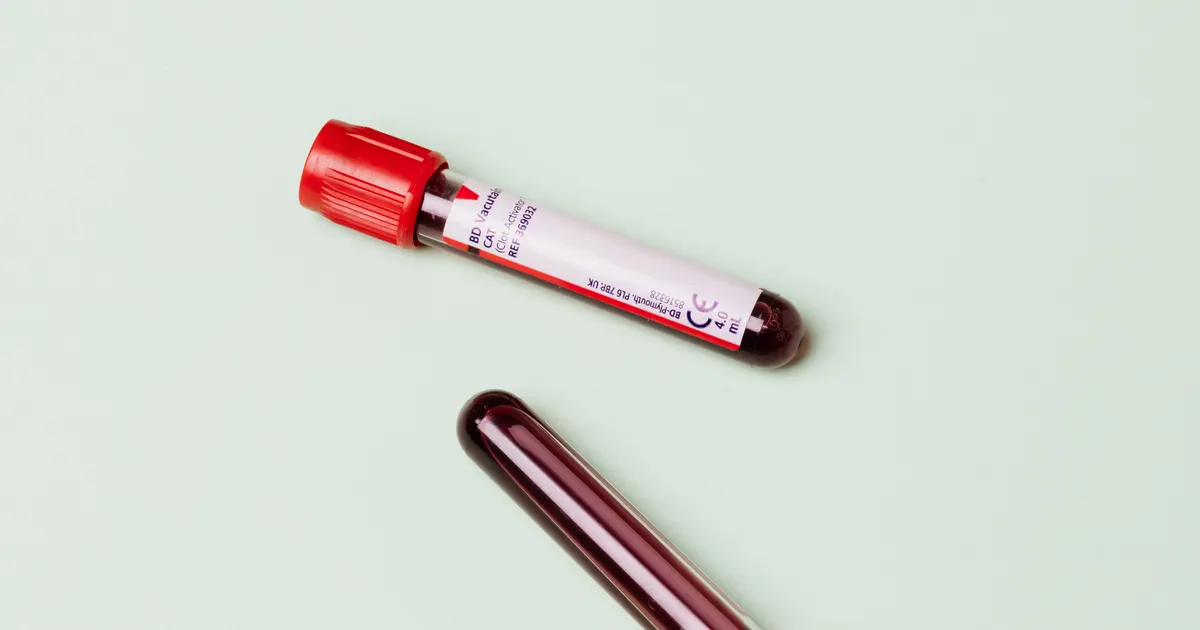
The symptoms of SIBO are bloating that builds through the day, visible abdominal distension, excess gas, and a bowel habit that swings toward diarrhea or constipation depending on which gas the overgrowth produces. Small intestinal bacterial overgrowth describes bacteria colonizing the small intestine in numbers that belong further downstream. They ferment carbohydrate before you have finished absorbing it, and that gas drives most of what you feel. The American College of Gastroenterology recognizes SIBO as a distinct entity in its 2020 clinical guideline. SIBO also overlaps with irritable bowel syndrome: a meta-analysis of 50 studies found overgrowth in 38% of people with IBS. Below: the symptom pattern, how breath testing works, what hydrogen and methane results mean, treatment options, and the part most articles skip, which is why SIBO relapses.
Free interactive tool
Which gas pattern fits?
Answer a few questions about your bowel habit and bloating to see which breath-test gas pattern your symptoms line up with, and what else each symptom could be.
In this article
- SIBO symptoms follow a timing pattern, and the timing matters more than the symptom list
- Hydrogen, methane and hydrogen sulfide predict different bowel habits
- Breath testing measures gas your microbes make, not the microbes themselves
- Lactulose and glucose substrates each have known false-positive and false-negative rates
- SIBO is usually a consequence of something else, most often impaired motility
- Fiber and fermented foods are restricted temporarily, not permanently
What SIBO is, and why the small intestine is different
The colon is meant to be densely populated: it holds most of your gut bacteria and ferments the fiber that reaches it. The small intestine is meant to be sparse. It is where you absorb most of your carbohydrate, protein, fat and micronutrients, and it keeps its bacterial load low through stomach acid, bile, pancreatic enzymes, the ileocecal valve, and a sweeping motility pattern called the migrating motor complex.
SIBO is what happens when those defenses fail and colonic-type bacteria establish themselves higher up. Carbohydrate that should have been absorbed in the jejunum is consumed by bacteria instead, producing gas within the confined space of the small bowel and distending a segment of intestine not built to hold it. Secondary effects follow: deconjugated bile salts impair fat absorption, competition for nutrients can produce low vitamin B12, and bacterial products irritate the lining, which is one proposed link to increased intestinal permeability, discussed in our guide to leaky gut signs and testing.
SIBO symptoms: the pattern matters more than the list
Almost every SIBO symptom appears in other conditions. What distinguishes overgrowth is timing and the relationship to food.
The bloating pattern that points to SIBO
The characteristic report is a flat abdomen on waking and a visibly distended one by evening: women often describe looking several months pregnant by 8 p.m. and waking flat again. Bloating typically begins 30 to 90 minutes after eating, which matches the time a meal takes to reach the small intestine rather than the six to eight hours it needs to reach the colon.
Two further features are suggestive. Fermentable carbohydrates provoke a disproportionate reaction, so beans, onions, garlic, apples, wheat and sugar alcohols stand out. And the foods usually recommended for gut health, including fiber supplements, kombucha and sauerkraut, often make things worse. A woman who gets more bloated the harder she tries to eat for her gut is describing fermentation happening too far upstream.
| Symptom | What it suggests in a SIBO picture | What else it could be |
|---|---|---|
| Bloating that builds through the day and resolves overnight | Classic fermentation pattern, gas generated after meals | Functional dyspepsia, gastroparesis, abdominal wall dyssynergia |
| Worse on fiber, prebiotics, fermented foods, probiotics | Substrate feeding an upstream overgrowth | FODMAP intolerance without overgrowth |
| Constipation with hard stool and straining | Methane-predominant pattern, slowed transit | Hypothyroidism, opioid effect, pelvic floor dysfunction |
| Loose, urgent, sometimes fatty stool | Hydrogen-predominant pattern, bile salt deconjugation | Bile acid diarrhea, celiac disease, pancreatic insufficiency |
| Low B12 despite adequate intake | Bacterial competition for nutrients | Gastritis, dietary restriction |
| Brain fog and fatigue after meals | Post-prandial symptom clustering reported with overgrowth | Blood glucose variability, thyroid disease, poor sleep |
The link between fermentation and post-meal cognitive symptoms comes from case series rather than controlled trials, so hold it loosely; other explanations are covered in our article on brain fog in perimenopause.
Hydrogen, methane and hydrogen sulfide
Human cells do not produce these gases, so everything measured on a breath test comes from microbial fermentation. Three gases dominate, and they behave differently enough to change management.
| Gas | Produced by | Typical bowel pattern | Notes |
|---|---|---|---|
| Hydrogen | Bacteria fermenting carbohydrate in the small intestine | Diarrhea or mixed | The original SIBO picture, often the easiest to treat |
| Methane | Methanobrevibacter smithii, an archaeon rather than a bacterium | Constipation, hard stool, straining | Now formally called intestinal methanogen overgrowth (IMO), because the organism is not a bacterium and is not confined to the small bowel |
| Hydrogen sulfide | Sulfate-reducing bacteria | Diarrhea, urgency, sulfur smelling gas | Only measurable on newer three-gas devices; a flat hydrogen line on an older test can mask it |
The methane distinction matters clinically. Methane slows intestinal transit, which is why methane-positive patients present with constipation and why methane responds to different agents than hydrogen.
Interactive tool
Which gas pattern fits?
Answer a few questions about your bowel habit and bloating to see which breath-test gas pattern your symptoms line up with, and what else each symptom could be.
How breath testing actually works
A breath test measures gas produced when gut microbes ferment a sugar you drink. Nothing is sampled from the intestine itself, which is both the reason the test is accessible and the reason it is imperfect.
The mechanics
- Preparation. Antibiotics are typically stopped four weeks beforehand, and prokinetics, laxatives and often probiotics for one week. The day before, a low-fermentation diet of plain protein, white rice, eggs and clear broth removes residual substrate, followed by an 8 to 12 hour fast.
- Baseline sample. You exhale into a collection tube before drinking anything. A high baseline usually indicates inadequate preparation rather than overgrowth.
- Substrate. You drink a measured dose of either lactulose or glucose in water.
- Timed samples. Breath is collected every 15 or 20 minutes, usually across 120 minutes.
- Interpretation. The lab plots hydrogen and methane in parts per million against time. A hydrogen rise of 20 ppm or more above baseline within 90 minutes is the widely used positive threshold; methane of 10 ppm or more at any point is treated as positive for methanogen overgrowth. Both thresholds come from the North American Consensus on breath testing, a 2017 expert panel paper published in the American Journal of Gastroenterology.
Lactulose versus glucose, and what each gets wrong
Glucose is absorbed in the proximal small intestine, so a positive glucose test is fairly specific for overgrowth in that segment, but it misses distal overgrowth because the sugar is gone before it gets there. Lactulose is not absorbed at all, so it travels the full length of the small bowel and can detect distal overgrowth, but it eventually reaches the colon, where normal fermentation produces a hydrogen rise that can be misread as positive, especially with rapid transit.
Two caveats belong here. Sensitivity and specificity against jejunal aspirate culture, the imperfect reference standard, are moderate rather than excellent for both substrates. And a small minority of people show a flat hydrogen line with no methane rise, a pattern whose cause the breath testing consensus still lists as unresolved, so if the device does not measure hydrogen sulfide, a genuinely symptomatic woman can return a flat, apparently normal tracing. A breath test is one input into a clinical picture, not a verdict.
Why it happened: root causes and the motility question
SIBO is nearly always secondary to something else, and treating the overgrowth without identifying what allowed it is the single most common reason symptoms return. The migrating motor complex is the central mechanism: between meals, roughly every 90 to 120 minutes, a wave of contraction sweeps residual food and bacteria toward the colon. It runs only in the fasted state and is switched off by eating. When it is impaired, bacteria are not cleared and overgrowth follows.
- Post-infectious motility damage. After acute gastroenteritis, antibodies to the bacterial toxin CdtB can cross-react with vinculin, a protein involved in gut nerve signaling. It is the best-described link between food poisoning and later IBS or SIBO.
- Constant grazing. Eating every two hours means the migrating motor complex rarely runs.
- Medication effects. Opioids, some antidepressants and anticholinergics slow transit; long-term proton pump inhibitor use reduces the acid barrier, with a modest association with overgrowth in observational data.
- Hypothyroidism. Low thyroid hormone slows gut transit, and remains under-recognized in women in midlife.
- Structural factors. Adhesions from abdominal or pelvic surgery, endometriosis, diverticula and an incompetent ileocecal valve all create stasis.
- Hormonal shifts. Progesterone slows smooth muscle transit, which is why bloating often tracks with cycle phase and shifts through the menopause transition. See the signs of hormone imbalance in women.
- Chronic stress. Sustained sympathetic activation suppresses motility and digestive secretion.
In our own case reviews, the histories that most often precede a positive breath test are a memorable episode of food poisoning, abdominal or pelvic surgery, years of acid-suppressing medication, or an undertreated thyroid condition. That is clinical observation, not a controlled dataset, and it generates questions rather than conclusions.
Treatment options and what the evidence supports
Three approaches have trial evidence, and diet is a supporting measure rather than a treatment in its own right.
| Approach | What it targets | Evidence status | Practical considerations |
|---|---|---|---|
| Rifaximin | Hydrogen-predominant overgrowth | Strongest trial base; minimally absorbed | Cost and insurance coverage are the usual barriers; courses run about two weeks |
| Rifaximin with neomycin | Methane-predominant overgrowth | Outperforms either agent alone in methane-positive patients | Prescriber oversight required; neomycin carries its own risk profile |
| Herbal antimicrobials | Both patterns | One single-center comparative study found herbal protocols non-inferior to rifaximin; thin evidence, needs replication | Berberine, oregano oil, neem and allicin are common; not benign, not for pregnancy, dosing needs clinician input |
| Elemental diet | Both patterns | Two-week formula-only protocols show high normalization rates in older studies | Demanding and socially isolating; usually reserved for refractory cases |
| Low-FODMAP or low-fermentation diet | Symptom control | Good short-term symptom evidence in IBS; does not eradicate overgrowth | Weeks, not indefinitely; long-term restriction reduces microbial diversity |
| Prokinetics | Recurrence prevention | Modest evidence; used after treatment rather than during | Prescription and botanical options exist; selection follows the underlying cause |
Probiotics deserve a direct answer, because they are the most common self-treatment. The American Gastroenterological Association's 2020 clinical practice guideline on probiotics concluded that for most adult gastrointestinal indications the evidence does not support routine use outside specific scenarios (AGA). In SIBO the results are mixed: some strains have shown benefit in small studies, while adding fermenting organisms to an existing overgrowth can worsen symptoms. Strain and timing matter, which makes this a clinician decision rather than a supplement-aisle one.
Diet during treatment is a real trade-off. Reducing fermentable carbohydrate lowers gas production and brings quick relief. It also starves the beneficial bacteria that produce short-chain fatty acids, and prolonged restriction measurably reduces microbial diversity. Restriction is best treated as a temporary tool used during active treatment, with structured reintroduction of fiber and fermented foods built into the protocol from the start.
Preventing relapse
Recurrence rates after eradication are high in published follow-up, unsurprisingly when the original cause is still present. Four measures reduce the odds.
- Address the cause you identified. Correct the thyroid, review the medication list with the prescriber, treat the constipation. Without this step, everything else is maintenance.
- Restore fasted intervals. Four to five hours between meals lets the migrating motor complex run. For most women that means three meals without grazing plus a longer overnight fast, rather than any particular eating window.
- Consider a prokinetic after treatment. Used in the weeks following eradication, prokinetics target the exact mechanism that allowed the overgrowth.
- Rebuild diversity deliberately. Once symptoms settle, reintroduce fiber and fermented foods gradually, one new food every few days, aiming at a wide range of plants rather than a permanently restricted list.
That last point is where low-FODMAP practice and the microbiome literature meet: restriction buys comfort now, diversity buys resistance to recolonization later.
When to get this properly worked up
Bloating with weight loss, blood in the stool, iron deficiency anemia, fever, nocturnal symptoms, vomiting, difficulty swallowing, or new bowel change after age 50 requires conventional evaluation first. Celiac disease should be excluded before any restrictive diet begins, because going gluten-free invalidates the test. Ovarian pathology belongs in the differential for persistent bloating with early satiety and pelvic discomfort.
Beyond those red flags, a structured workup makes sense when symptoms have run for months and the pattern fits fermentation. A functional workup, in the framework taught by the Institute for Functional Medicine, pairs breath testing with a thyroid panel, ferritin and B12, celiac serology and a stool assessment, so that overgrowth is read alongside the terrain that allowed it. Our digestive and gut health page covers how we approach IBS, bloating and reflux, and the functional medicine process page explains how a workup is structured for women across Texas.
FAQ
Can SIBO go away on its own?
Occasionally, when the cause is transient: overgrowth that followed a short course of a motility-slowing medication, or a single episode of gastroenteritis from which the gut nerves recovered, can settle without specific treatment. When the underlying cause persists, spontaneous resolution is unlikely and symptoms tend to fluctuate rather than clear.
What is the difference between SIBO and IBS?
IBS is a symptom-based diagnosis defined by the Rome IV criteria: recurrent abdominal pain related to defecation or a change in stool form or frequency, with no structural cause identified. SIBO is a proposed mechanism that can produce those symptoms. Breath-testing studies report overgrowth in a substantial minority of people who meet IBS criteria, with prevalence varying widely by method. SIBO is better understood as one possible driver of an IBS presentation than as a competing diagnosis.
Does a positive breath test always mean I need antibiotics?
No. Treatment decisions weigh symptom severity, the gas pattern, nutritional consequences such as B12 or iron deficiency, prior treatment history, and the cause identified. Some women with mildly positive tests and modest symptoms do well with motility support, meal spacing and a period of reduced fermentable carbohydrate. Others with malabsorption or long-standing severe symptoms warrant antimicrobial treatment. That call belongs with a prescribing clinician who has the full picture.
Should I take probiotics if I have SIBO?
Cautiously, if at all during the active phase. The AGA's 2020 guidance found insufficient evidence for routine probiotic use across most gastrointestinal indications, and in SIBO the trial data are mixed. Adding fermenting organisms to an overgrowth can increase gas in the short term. Where probiotics are used, strain selection and timing relative to treatment matter, and spore-forming products behave differently from lactobacillus-dominant blends.
How long does SIBO treatment take?
An antimicrobial course typically runs about two weeks, an elemental protocol two to three, and symptom improvement often lags the end of treatment. The longer piece is the work on the underlying cause and the structured reintroduction of fiber and fermented foods, usually two to three months. Retesting is scheduled several weeks after treatment finishes rather than immediately.
References
- Pimentel M, et al. The American Journal of Gastroenterology. 2020. https://pubmed.ncbi.nlm.nih.gov/32023228/
- Chen B, et al. Journal of Gastroenterology. 2018. https://pubmed.ncbi.nlm.nih.gov/29761234/
- Rezaie A, et al. The American Journal of Gastroenterology. 2017. https://pubmed.ncbi.nlm.nih.gov/28323273/
- Pimentel M, et al. Digestive Diseases and Sciences. 2015. https://pubmed.ncbi.nlm.nih.gov/25424202/
- Su T, et al. Journal of Gastroenterology. 2018. https://pubmed.ncbi.nlm.nih.gov/28770351/
- Low K, et al. Journal of Clinical Gastroenterology. 2010. https://pubmed.ncbi.nlm.nih.gov/19996983/
- Chedid V, et al. Global Advances in Health and Medicine. 2014. https://pubmed.ncbi.nlm.nih.gov/24891990/
- American Gastroenterological Association (Su GL, et al). Gastroenterology. 2020. https://gastro.org/clinical-guidance/role-of-probiotics-in-the-management-of-gastrointestinal-disorders/
- Lauritano EC, et al. The American Journal of Gastroenterology. 2008. https://pubmed.ncbi.nlm.nih.gov/18802998/
About the author

Anna Evans MSN, APRN, FNP-C
Founder, Interlinked Wellness
Anna Evans, MSN, APRN, FNP-C is a board-certified Family Nurse Practitioner licensed in Texas. She founded Interlinked Wellness, a virtual functional medicine practice serving women across Texas from offices in Dallas and Austin. Her clinical focus is perimenopause, hormone imbalance, gut health, thyroid and autoimmune conditions, and chronic fatigue.
More about Anna · Schedule a consultation · LinkedIn · Instagram
Medical disclaimer. The information on this page is provided for general education and is not individualized medical advice. At Interlinked Wellness, Anna Evans, MSN, APRN, FNP-C, provides personalized care based on your health history, symptoms, concerns, and goals. An individual consultation allows Anna to evaluate your specific situation and recommend an appropriate approach to care. Reading this page alone does not establish a patient-provider relationship. If you are experiencing a medical emergency, call 911 or your local emergency services.
Join Anna on a virtual wellness journey and unlock your full potential.