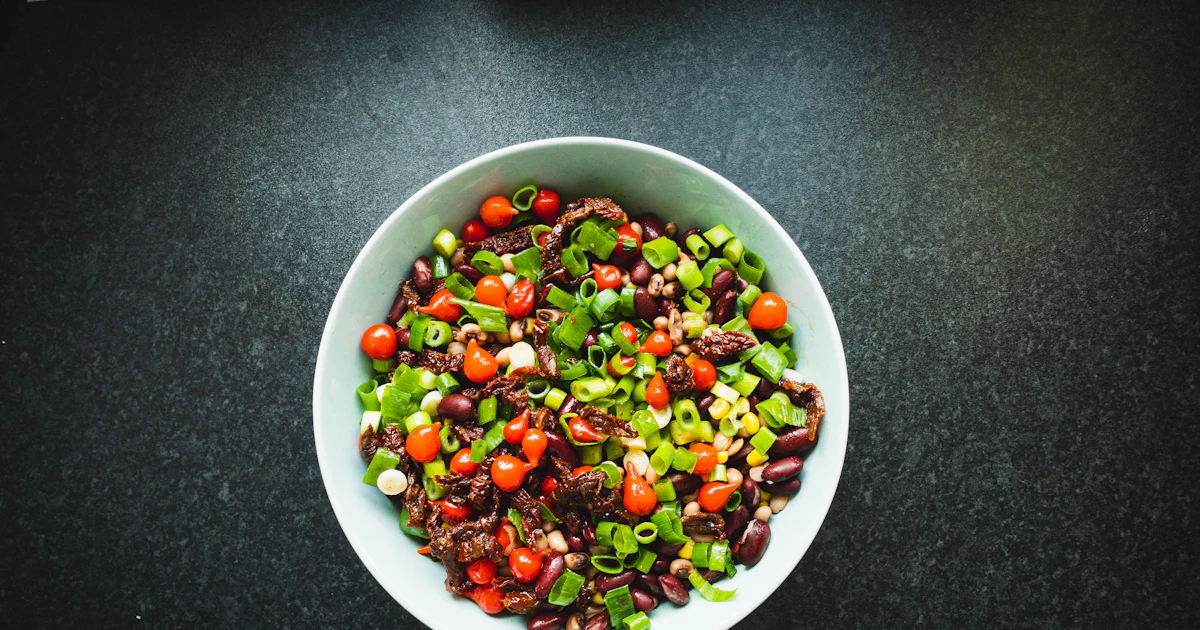
The best foods for gut health feed the bacteria you already have. These include a wide range of plants, fermentable prebiotic fibers, polyphenol-rich foods, and fermented foods containing live cultures. That framing matters. The popular version of gut health treats the microbiome as something you add to, usually with a capsule. The research points somewhere simpler. What you eat across a week shapes which resident species thrive, what they produce, and how well your gut lining and immune tissue are supported. This article covers what the evidence supports and how much diversity matters. It shows which fermented foods contain live organisms and which do not. It also covers the swaps that make the biggest difference and what to limit.
Free interactive tool
Plant diversity gap finder
Tick the plant groups and gut foods that rarely make it onto your plate to see what the article suggests adding for each one.
In this article
- There is no single ideal microbiome, which changes what a gut-healthy diet means
- Plant diversity across a week predicts microbial diversity better than total fiber grams
- Prebiotic and probiotic foods do different jobs and both belong in the diet
- Polyphenols act as microbial fuel as well as antioxidants
- Several popular fermented foods contain no live cultures by the time you eat them
- A short list of swaps delivers most of the benefit
- Gut-healthy foods can worsen symptoms when fermentation is the underlying problem
What "good for your gut" actually means
The NIH Human Microbiome Project mapped the microbial communities of healthy adults and found something that reshaped the field. Healthy people differ enormously in which species they carry. They share far more in what those communities do (NIH Human Microbiome Project). You and another woman could share almost no species and both be entirely healthy.
That has a practical consequence. There is no target microbiome to aim at, and no food list that will produce one. What the evidence supports instead is feeding the community you have so that it does useful work. That work includes fermenting fiber into short-chain fatty acids such as butyrate, which nourishes the cells lining the colon. It also includes maintaining the mucus layer, competing with opportunists for space, and producing metabolites that interact with immune and nervous tissue. Some testing platforms count individual organisms. Examples are the quantitative PCR panels documented by Diagnostic Solutions Laboratory and explained in our guide to GI-MAP stool testing. These tests describe that community. They do not define a target to eat toward.
Plant diversity: where the number 30 comes from
The most repeated figure in gut health content is 30 different plants a week. It comes from the American Gut Project, a large citizen-science study led from the University of California San Diego. It found that people who reported more than 30 different plant types per week had more diverse gut microbes. They were compared with people who reported 10 or fewer (American Gut Project and the Microsetta Initiative).
Two caveats. The finding is an association from self-reported diet, not a controlled trial. Higher plant diversity also travels with other health-supporting behaviors. And microbial diversity is a reasonable stand-in for a resilient community, not an outcome in itself. What the number does well is reframe the task. Instead of eating more fiber, eat more different things.
Everything botanical counts as a plant point. That makes the target far easier to reach than it sounds.
| Category | Examples | Notes |
|---|---|---|
| Vegetables | Broccoli, carrot, leek, spinach, zucchini, red cabbage | Different colors usually mean different polyphenols |
| Fruit | Berries, apple, kiwi, orange, banana | Frozen berries count and are often cheaper |
| Legumes | Black beans, chickpeas, lentils, split peas | The top category for fermentable fiber |
| Whole grains | Oats, barley, brown rice, quinoa, rye | Barley and oats supply beta-glucan |
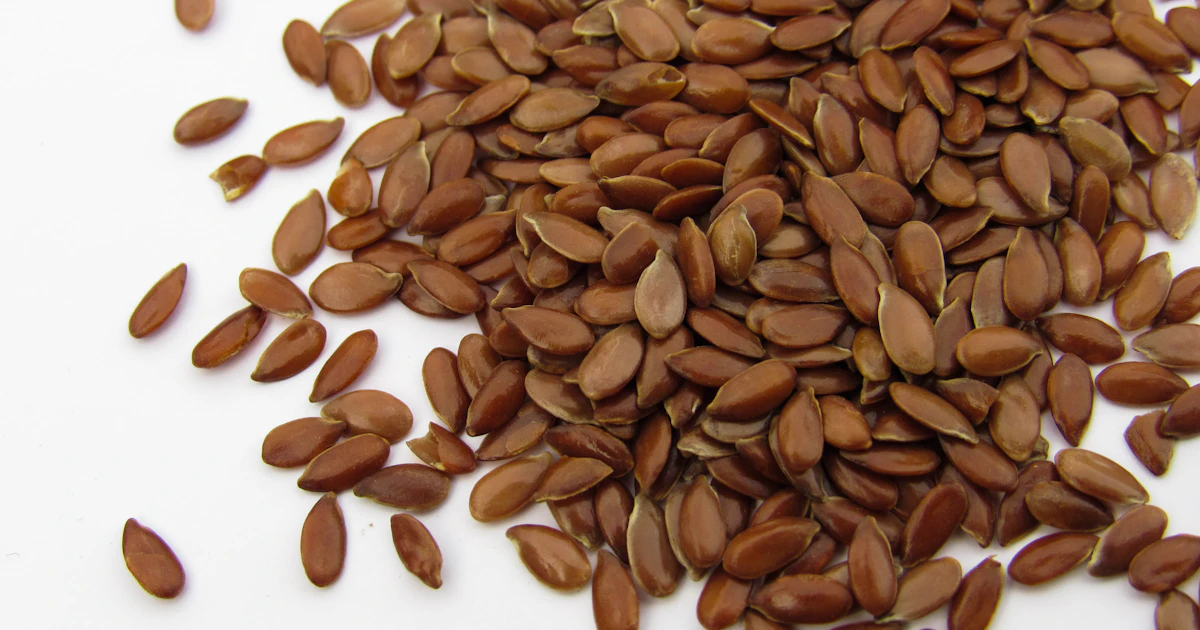
| Nuts and seeds | Almonds, walnuts, flaxseed, pumpkin seeds | A mixed bag of seeds adds several points at once |
| Herbs and spices | Parsley, basil, turmeric, cinnamon, ginger | Count when used meaningfully rather than as a pinch |
A weekly tally of 30 usually comes from ordinary shopping. A bag of mixed seeds, a mixed-bean chili, a handful of herbs and three or four kinds of vegetable across a few dinners will do most of the work.
Prebiotic foods versus probiotic foods
These two categories get mixed up constantly. A prebiotic is a substance that the microbes living in you selectively use to give a health benefit. In food terms, that mostly means specific fermentable fibers. A probiotic is a live microorganism that gives a health benefit when given in adequate amounts. The term is strain-specific. Technically it applies to specific, identified strains rather than to fermented foods in general (International Scientific Association for Probiotics and Prebiotics).
| Type | Foods | Key compound | What it does |
|---|---|---|---|
| Prebiotic fiber | Onion, garlic, leek, asparagus, slightly green banana, chicory root | Inulin and fructo-oligosaccharides | Fermented in the colon. Supports bifidobacteria |
| Resistant starch | Cooked and cooled potato, rice or pasta, oats, legumes | Resistant starch types 2 and 3 | Cooling turns some starch into a resistant form, a strong food source for butyrate production |
| Beta-glucan | Oats, barley | Soluble beta-glucan | Fermentable, and separately supports cholesterol handling |
| Pectin | Apple, citrus, carrot | Soluble pectin | Ferments gently and is usually well tolerated |
| Live fermented foods | Kefir, live yogurt, kimchi, unpasteurized sauerkraut, miso, natto | Live microorganisms and fermentation metabolites | Adds organisms that pass through, plus active compounds |
Prebiotic foods feed what is already established. That is why they tend to produce more lasting change than supplemented organisms, which mostly pass through. Both are useful. If you had to pick one, the fiber is the higher-value habit for most women.
Polyphenols: the underrated category
Polyphenols are plant compounds in berries, olive oil, cocoa, green tea, coffee, herbs and red-pigmented vegetables. Only a small fraction is absorbed in the small intestine. Most of it reaches the colon, where gut bacteria break it down into smaller compounds. Those compounds account for much of the biological activity attributed to the parent polyphenols.
The relationship runs both ways. Bacteria turn polyphenols into metabolites your body can absorb. In turn, polyphenols shape which bacteria flourish. Observational work links higher polyphenol intake with greater abundance of species such as Akkermansia muciniphila, a mucus-layer resident that researchers are studying now. The evidence is stronger for the general pattern than for any single food. It is one more argument for color variety rather than for a specific superfood.
Practical sources include a daily handful of berries and extra virgin olive oil as your default cooking and dressing fat. They also include green tea or coffee, dark chocolate at high cocoa content, and generous use of herbs and spices.
Fermented foods, and which ones contain live cultures
A Stanford trial compared a high-fermented-food diet with a high-fiber diet over ten weeks. The fermented-food arm increased microbial diversity and reduced several inflammatory markers. This surprised the researchers, because the fiber arm did not show the same effect over that timeframe (Sonnenburg Lab, Stanford University). It is one trial in a small cohort, so it is a promising signal rather than a settled conclusion. What it does support is that regular, modest amounts of fermented food are worth including.
The catch is that several foods with a fermented reputation contain no live organisms by the time you eat them.
Which fermented foods contain live cultures
| Food | Live cultures? | Notes |
|---|---|---|
| Kefir | Yes | The common option with the most varied microbes. It usually has several bacterial and yeast species |
| Live yogurt | Yes | Look for live or active cultures on the label; avoid high-sugar versions |
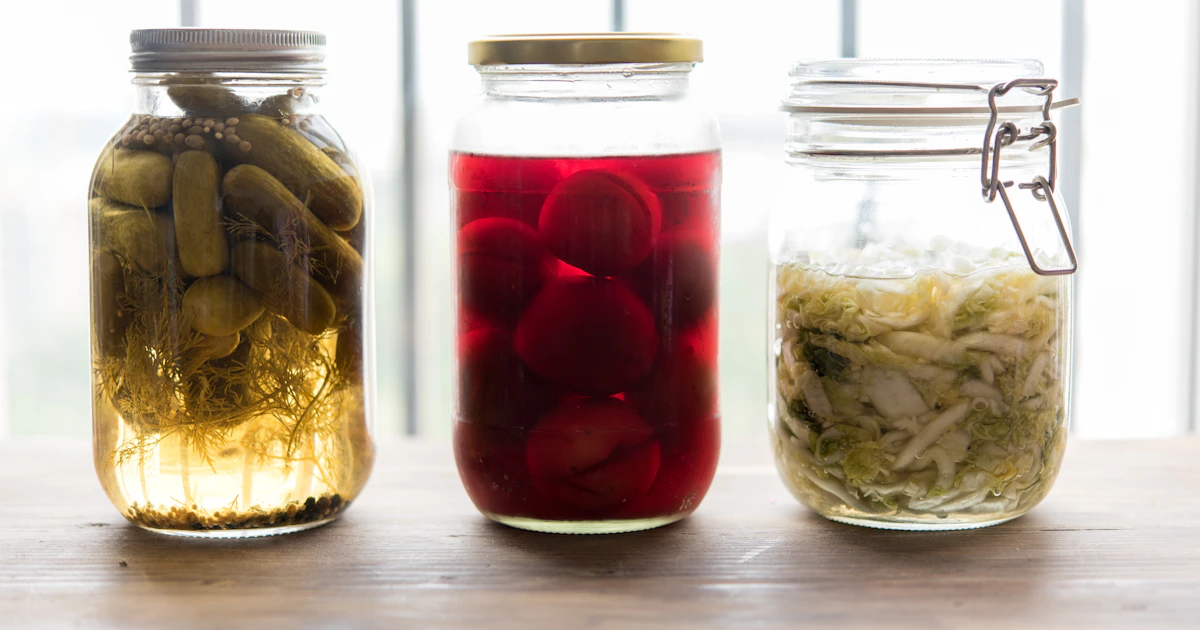
| Kimchi and unpasteurized sauerkraut | Yes | Must be refrigerated and unpasteurized. Shelf-stable jars are usually heat-treated |
| Miso and natto | Yes | Add miso after cooking, since boiling kills the cultures |
| Kombucha | Usually some | Live, but it varies. Check the sugar content |
| Tempeh | Usually not after cooking | Still valuable as a fermented, fiber-rich protein |
| Sourdough bread | No | Baking kills the culture. Fermentation still makes it easier to digest |
| Beer and wine | No | Fermented, but filtered and alcoholic |
| Pasteurized pickles in vinegar | No | Vinegar-brined pickles are not fermented at all |
Start small. A few tablespoons of kimchi or a small glass of kefir daily is a reasonable beginning. Going from none to large servings overnight often causes gas and discomfort. That is the most frequent reason people give up the habit.
Interactive tool
Plant diversity gap finder
Tick the plant groups and gut foods that rarely make it onto your plate to see what the article suggests adding for each one.
Simple swaps that do most of the work
None of the above needs an overhaul. Most of the measurable benefit comes from a handful of swaps that fit into a normal week.
| Instead of | Try | Why it matters |
|---|---|---|
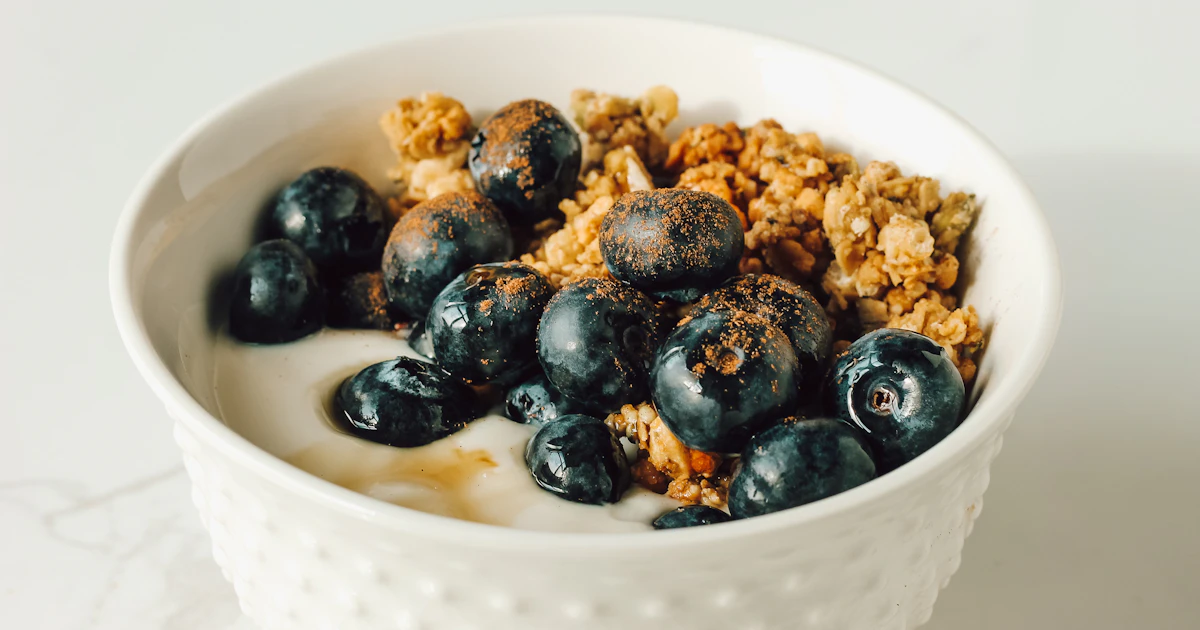
| One breakfast cereal every morning | Oats with mixed seeds and berries, rotated | Adds beta-glucan, polyphenols and three or four plant points before 9 a.m. |
| White rice or pasta served hot | The same, cooked and cooled, then reheated | Cooling forms resistant starch, a food source for butyrate production |
| A single vegetable side | Two or three smaller portions of different vegetables | Diversity counts for more than volume |
| Meat in every main meal | Legumes replacing meat in two or three meals a week | Legumes are the strongest fermentable fiber source in an ordinary diet |
| Sunflower or vegetable oil | Extra virgin olive oil | Polyphenols alongside the fat profile |
| Fruit-flavored sweetened yogurt | Plain live yogurt or kefir with fruit added | Live cultures with much less sugar |
| Snacking every two hours | Four to five hour gaps between meals | Allows the migrating motor complex to sweep the small intestine |
What to limit, and how strong the evidence is
- Ultra-processed foods. Consistently linked to lower microbial diversity in observational data. They are the strongest single dietary signal in the literature. Part of the reason is that they displace fiber. Part is the additive load.
- Emulsifiers such as carboxymethylcellulose and polysorbate 80. Mouse work shows mucus-layer thinning and inflammation. Early controlled human work supports some microbiome effect. This is suggestive rather than proven in humans.
- Non-nutritive sweeteners. Some human trials show glycemic and microbial effects with saccharin and sucralose. Results are inconsistent across sweeteners and from person to person. This is still genuinely unsettled.
- Alcohol. Regular intake is linked to increased intestinal permeability and dysbiosis, with a dose-response pattern. Occasional modest intake is a much weaker signal.
- Chronically low fiber. Best documented of all. Sustained low fiber intake reduces short-chain fatty acid production. It also shifts bacteria toward degrading the protective mucus layer.
Two more points are worth adding. Regular use of non-steroidal anti-inflammatories and long-term acid suppression both change the gut environment. Both are worth reviewing with a prescriber rather than stopping on your own. Red meat is often listed here. Its evidence base for gut health specifically is weaker and more confounded than the one for ultra-processed food.
When gut-healthy foods make you feel worse
This is the gap most food lists leave. If fiber, legumes, onions, kefir and sauerkraut reliably make you bloated and uncomfortable within an hour or two, that is information rather than a failure of willpower. It is a common sign of fermentation happening too high in the digestive tract. That pattern is described in our article on SIBO symptoms and testing. It can also point to a motility problem that needs its own attention. Piling more fermentable food onto that picture reliably makes it worse.
The sequence in that situation is to work out the cause first, treat it, then rebuild diversity on purpose, one new food every few days. Our guide to chronic bloating and its root causes works through the possible causes. If you are in the menopause transition, digestive symptoms and hormonal change often overlap. In that case, our perimenopause diet article covers the wider dietary picture.
If your digestive symptoms have persisted despite sensible eating, our digestive and gut health page explains how we approach IBS, bloating and reflux. The functional medicine process page sets out how we structure a workup for women across Texas.
FAQ
What is the single best food for gut health?
There is not one, and the framing is the problem. Healthy microbiomes differ so much from person to person that benefit comes from the pattern, not from any single item. If you had to choose one category, legumes are the strongest candidate in an ordinary diet. They supply fermentable fiber and resistant starch. They are inexpensive. Most of us eat far fewer than the evidence would support.
How long does it take for diet to change the gut microbiome?
Composition begins shifting within days of a substantial dietary change. This is well documented in controlled feeding studies. What that early shift does not tell you is how durable it is. Communities tend to drift back toward baseline once the old diet resumes. Improvement in symptoms usually takes two to six weeks. The changes that last are the ones that become ordinary habits rather than a protocol you finish.
Do I need a probiotic supplement if I eat fermented foods?
Usually not, for general gut health. Probiotic evidence is specific to the strain and to the condition being treated. Clinical guidance from gastroenterology bodies does not support routine supplementation for most adults without a clear reason. Fermented foods give you live organisms alongside fiber, protein and fermentation metabolites, at lower cost. Supplements have a clearer role in specific cases, such as after certain antibiotic courses. That is a decision to make with a clinician.
Should I take fiber supplements instead of eating more plants?
Whole plants supply several different fiber types plus polyphenols and micronutrients. That is why they outperform isolated fiber for microbial diversity. A supplement such as psyllium has real evidence for stool form and regularity. It is a reasonable add-on where intake is hard to raise. It is a supplement to the diversity target, not a substitute for it.
References
- NIH Common Fund. National Institutes of Health. 2026. https://commonfund.nih.gov/hmp
About the author

Anna Evans MSN, APRN, FNP-C
Founder, Interlinked Wellness
Anna Evans, MSN, APRN, FNP-C is a board-certified Family Nurse Practitioner licensed in Texas. She founded Interlinked Wellness, a virtual functional medicine practice serving women across Texas from offices in Dallas and Austin. Her clinical focus is perimenopause, hormone imbalance, gut health, thyroid and autoimmune conditions, and chronic fatigue.
More about Anna · Schedule a consultation · LinkedIn · Instagram
Medical disclaimer. The information on this page is provided for general education and is not individualized medical advice. At Interlinked Wellness, Anna Evans, MSN, APRN, FNP-C, provides personalized care based on your health history, symptoms, concerns, and goals. An individual consultation allows Anna to evaluate your specific situation and recommend an appropriate approach to care. Reading this page alone does not establish a patient-provider relationship. If you are experiencing a medical emergency, call 911 or your local emergency services.
Join Anna on a virtual wellness journey and unlock your full potential.