The foods most consistently linked to poorer gut health are ultra-processed products built on refined starch, industrial emulsifiers and added sugar, alcohol in regular doses, and an eating pattern so low in plant fiber that the bacteria in your colon are effectively underfed. That is a shorter list than most "gut destroying foods" articles offer, because it is limited to what the research supports. The NIH Human Microbiome Project established that two healthy people can carry strikingly different bacterial communities and both be well, which means very few foods are universally harmful. Dose, frequency and the state of your gut lining matter more than whether a food appears on someone's forbidden list.
Free interactive tool
Weekly gut disruptor audit
Tick the drinks, additives, medicines and habits that are part of your normal week to see what the article says about each one and the swap it suggests.
In this article
- Why "worst" is a question of dose and frequency, not moral categories
- The emulsifier and ultra-processed food evidence, including what human trials have shown
- How alcohol affects the intestinal barrier, and why the threshold is lower than most women expect
- What added sugar and fructose load do to microbial balance
- The non-food disruptors that belong on the list, including NSAIDs
- Which commonly blamed foods the evidence does not convict
- What gut disruption looks like on stool testing: calprotectin, zonulin and short-chain fatty acids
- A swap table you can use this week without overhauling your diet
What "worst" actually means for the gut
A food can affect gut health through three broad routes, and it helps to know which one you are dealing with before you cut anything out.
The first is the intestinal barrier. A single layer of epithelial cells, sealed by tight junction proteins and covered by a protective mucus layer, separates your microbes from your bloodstream. Anything that thins that mucus layer or loosens those junctions increases the passage of bacterial fragments into circulation, which is the mechanism behind the term leaky gut. Increased permeability is measurable and documented in celiac disease, inflammatory bowel disease and heavy alcohol use. Whether it drives symptoms in people without those diagnoses is still an open question, and careful sources say so.
The second is microbial composition. Fiber and resistant starch feed species that produce short-chain fatty acids, particularly butyrate, the preferred fuel for colonocytes. A diet low in fermentable plant material starves those species regardless of what else is in it.
The third is mechanical and osmotic load: foods that ferment rapidly, pull water into the bowel, or move too fast for your motility pattern. These cause symptoms quickly, but they are a tolerance issue rather than damage. Bloating after beans is not the same event as chronic inflammation. Most of the internet collapses all three routes into one alarming category, and that is how people end up eating nine foods and feeling no better.
Ultra-processed foods and emulsifiers: the strongest mechanistic case
If there is one category with real mechanistic support behind it, it is ultra-processed food, and within that category, emulsifiers.
Emulsifiers are detergent-like molecules that keep oil and water phases from separating, giving ice cream its texture and stopping plant milks splitting in coffee. The two most studied are carboxymethylcellulose (CMC, listed as cellulose gum) and polysorbate 80. In a widely cited 2015 study in Nature, mice given these emulsifiers at concentrations comparable to processed-food exposure showed thinning of the protective mucus layer, bacteria migrating closer to the epithelium, low-grade inflammation and metabolic changes, with colitis in genetically susceptible animals (Chassaing et al., 2015).
Mouse studies do not settle human questions, so the same group ran a randomized controlled feeding trial in healthy adults. Participants eating a diet containing carboxymethylcellulose showed altered microbiota composition, reduced short-chain fatty acids and other beneficial metabolites, and bacteria closer to the mucosal surface than controls. Effects varied widely between individuals and a subset barely changed. That variability is itself the finding: emulsifiers appear to matter more for some guts than others.
Large observational cohorts including the French NutriNet-Santé study have separately associated higher ultra-processed intake with increased risk of inflammatory bowel disease and irritable bowel syndrome. Those are associations, not proof of causation, and ultra-processed diets differ in many ways at once. The mechanism is plausible and demonstrated in controlled feeding, and population data point the same way.
Where the common emulsifiers show up
| Additive | Label names | Typical foods | What the evidence shows |
|---|---|---|---|
| Carboxymethylcellulose | Cellulose gum, CMC, E466 | Ice cream, low-fat dressings, protein shakes, gluten-free baked goods | Altered microbiota and lower short-chain fatty acids in a human feeding trial; mucus thinning in mice |
| Polysorbate 80 | Polysorbate 80, E433 | Ice cream, non-dairy creamers, sauces, desserts | Similar mouse findings; fewer human trials |
| Carrageenan | Carrageenan, E407 | Plant milks, deli meats, dairy desserts | Pro-inflammatory in animal models; human data contested |
| Mono- and diglycerides | E471, E475 | Packaged breads, cakes, margarine, creamers | Little direct research; grouped by association |
The practical read is not that these additives are poison. It is that a diet built around foods requiring them is, by construction, low in the fiber and polyphenols that feed a resilient microbiome. The companion article on the best foods for gut health covers what to add rather than remove.
Alcohol: the item most women underestimate
Alcohol earns its place through a well-characterized mechanism. Ethanol and its metabolite acetaldehyde disrupt tight junction proteins directly, increasing passage of bacterial lipopolysaccharide into portal circulation. That endotoxemia is measurable and drives the inflammatory response seen in alcohol-related liver disease. Heavy use also reduces microbial diversity and promotes small-bowel overgrowth of gram-negative species.
Two details matter for women specifically. Women reach higher blood alcohol concentrations than men from the same dose, because of differences in body water and gastric alcohol dehydrogenase activity, so exposure per drink is not equivalent (National Institute on Alcohol Abuse and Alcoholism). And in perimenopause alcohol compounds problems already in motion: it fragments sleep, triggers vasomotor symptoms in many women, and competes for the hepatic pathways that clear estrogen metabolites. The complete guide to perimenopause covers that overlap.
Frequency matters more than any single occasion. Daily drinking gives the barrier no recovery window; an occasional glass within an otherwise fiber-rich diet is a different exposure. No intake threshold has been established as gut-protective, and national guidance does not recommend drinking for health benefit.
Added sugar, fructose load, and sweeteners
Added sugar affects the gut mainly through what it displaces. Sucrose and high-fructose corn syrup are absorbed high in the small intestine, so the direct microbial effect of moderate intake is modest. The pattern is the problem: sweetened drinks and refined snacks crowd out fermentable fiber, and dietary studies consistently show lower microbial diversity in high-sugar, low-fiber eating.
Fructose is the exception worth knowing. Its absorption is capacity-limited and varies widely between people, so when intake exceeds capacity, usually from sweetened drinks, juice or foods with a high fructose-to-glucose ratio, the excess reaches the colon and ferments, producing gas and distension within hours. That mechanism sits inside the FODMAP framework mapped by Monash University and is a common finding in women investigating chronic bloating.
Non-nutritive sweeteners are less settled than either camp claims. A 2014 Nature study by Suez and colleagues reported that saccharin altered microbiota composition and glucose tolerance in mice and in a small group of volunteers, and later randomized work from the same group found person-specific glycemic responses to several sweeteners. Sugar alcohols such as sorbitol, mannitol and xylitol are more straightforward: they are poorly absorbed by design and reliably cause fermentation symptoms at moderate doses.
Not food, but on the list anyway: NSAIDs and other disruptors
In most people's lives the most reliable gut disruptors are not foods at all.
- NSAIDs. Ibuprofen, naproxen and related drugs inhibit prostaglandin synthesis needed for mucosal defense and are established causes of gastric erosion and small-bowel enteropathy, with capsule endoscopy studies finding mucosal breaks in a large proportion of regular users. Routine use for period pain or joint pain is worth flagging to your clinician, particularly alongside reflux or unexplained anemia.
- Proton pump inhibitors. Long-term acid suppression changes the gastric barrier to swallowed organisms and is associated with altered small-bowel bacterial populations. PPIs are appropriate for many conditions; indefinite use without review is the issue.
- Repeated antibiotic courses. Sometimes essential, and also a reliable cause of reduced diversity for weeks to months, with cumulative effects on species that are hard to reseed.
- Chronic under-eating and very low fiber intake. Restrictive patterns, including prolonged elimination diets, reduce the substrate available to fiber-fermenting species.
None of these is a reason to stop a prescribed medication. Every one of them is a reason to have the conversation with the prescriber, because the alternatives and the review intervals are often available and rarely offered.
Foods that get blamed more than the evidence supports
Credibility runs both directions. Several foods carry a reputation for gut harm that the research does not support in people without a specific diagnosis.
Gluten in people without celiac disease. Celiac disease is a genuine autoimmune condition requiring strict lifelong avoidance, and it must be excluded by serology and often biopsy before gluten is removed, because testing is unreliable once you have stopped eating it. Non-celiac gluten sensitivity exists as a clinical entity, but blinded rechallenge studies repeatedly find that fructans, the fermentable carbohydrate in wheat, explain symptoms in many people who blame gluten.
Dairy. Lactose intolerance is real, dose-dependent and easily identified; casein sensitivity is less well characterized. Fermented dairy such as yogurt and kefir is associated with favorable rather than unfavorable outcomes in most cohort data.
Nightshades and lectins. Neither has meaningful human evidence for gut harm in the general population, and lectins are largely destroyed by cooking. Removing tomatoes, peppers and legumes narrows plant diversity, which is the one dietary variable most consistently associated with microbial richness.
What gut disruption looks like on testing
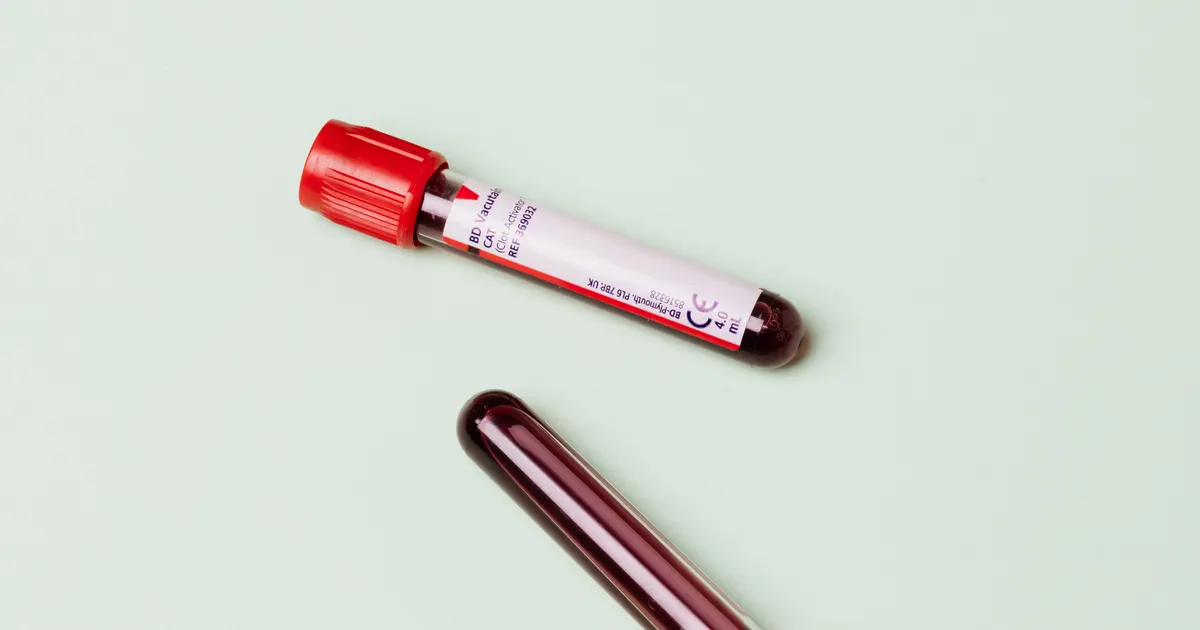
When a symptom picture warrants objective data rather than another elimination trial, stool testing gives partial but useful information. The GI-MAP stool test uses quantitative PCR to measure specific organisms and several host markers. Three of those markers are relevant here.
| Marker | What it measures | Evidence status | How it is used clinically |
|---|---|---|---|
| Fecal calprotectin | Neutrophil protein released during intestinal inflammation | Well validated; used in gastroenterology to separate inflammatory bowel disease from IBS | A clearly elevated result warrants referral, not a diet plan |
| Zonulin | Proposed regulator of tight junction permeability | Contested: published analyses question whether commercial assays measure zonulin itself | Supporting context only, never a standalone diagnosis |
| Short-chain fatty acid producers | Abundance of Faecalibacterium prausnitzii, Roseburia, Akkermansia muciniphila | Low abundance associates with low-fiber diets and inflammatory conditions; causal direction unproven | Judges whether fermentable fiber intake is adequate |
In practice, the pattern in women arriving with years of bloating and fatigue is rarely an exotic pathogen. It is low abundance of fiber-fermenting species alongside a history of long, well-intentioned elimination diets, and the fix is usually addition rather than further subtraction. Where distension starts within an hour of eating, SIBO deserves consideration before any high-fiber plan, because fermentable fiber in the wrong compartment makes symptoms worse.
Practical swaps that do not require a new personality
Frequency is the lever here, not perfection.
| Instead of | Try | Why it helps |
|---|---|---|
| Daily glass of wine | Two or three drinking days a week | Gives the barrier recovery windows and reduces sleep fragmentation |
| Flavored yogurt with cellulose gum | Plain yogurt or kefir with fruit added at home | Removes emulsifiers and added sugar; retains live cultures |
| Sweetened beverages and fruit juice | Whole fruit, sparkling water with citrus | Lowers free fructose load and adds fiber in the same serving |
| Routine ibuprofen for cramps | A conversation with your clinician about alternatives and dose review | Reduces the most common non-dietary source of mucosal injury |
| Another food removed from your diet | One new plant food added per week toward 30 different plants weekly | Plant diversity is the single dietary variable most consistently linked to microbial richness |
Interactive tool
Weekly gut disruptor audit
Tick the drinks, additives, medicines and habits that are part of your normal week to see what the article says about each one and the swap it suggests.
When the food is not the problem
Some patterns do not respond to dietary change because the driver sits elsewhere. Seek evaluation rather than another elimination trial if symptoms persist despite months of careful eating, or if you have unintentional weight loss, blood in the stool, nocturnal symptoms, iron deficiency, or a family history of inflammatory bowel disease or colorectal cancer. Those features need assessment, and some need it urgently.
Conventional testing rules out the conditions that require conventional treatment; a systems workup then addresses motility, microbial balance and dietary pattern together. Our digestive and gut health page outlines the conditions we work with, and the functional medicine process page explains how a workup at Interlinked Wellness is structured.
FAQ
What is the single worst food for gut health?
There is no single worst food, and any article naming one is going beyond the evidence. The strongest case sits with regularly eaten ultra-processed foods containing emulsifiers such as carboxymethylcellulose, which have both mouse data showing mucus-layer thinning and a controlled human feeding trial showing altered microbiota and reduced short-chain fatty acids. Even there, responses varied widely. Total dietary pattern predicts gut health better than any single item.
How long does it take the gut to recover after changing diet?
Microbiome composition responds fast, with measurable shifts in species abundance reported within 24 to 48 hours of a major dietary change. Symptom improvement lags, often two to six weeks, and barrier repair after a real insult such as heavy alcohol use takes longer. Composition drifts back toward baseline when the old pattern returns, so consistency matters more than speed.
Are emulsifiers in food actually approved as safe?
Yes. Carboxymethylcellulose and polysorbate 80 are approved additives in the United States and Europe, and those approvals rested on toxicology endpoints established before microbiome effects were measurable. That is the crux of the debate: newer research examines endpoints the original assessments did not consider.
Does cutting out gluten improve gut health if I do not have celiac disease?
For most people without celiac disease it does not, and blinded rechallenge studies suggest fructans in wheat rather than gluten explain symptoms in many who feel better without it. Get tested before removing gluten, because antibody testing becomes unreliable within weeks of stopping. If wheat clearly bothers you and celiac disease is excluded, a structured low-FODMAP trial with reintroduction identifies the real trigger more precisely.
Do I need a stool test to know if my diet is damaging my gut?
Usually not as a first step. A two-week food and symptom log, an honest count of weekly plant varieties, and a review of alcohol and NSAID use answer most questions for far less effort. Testing earns its place when symptoms persist, when an elimination approach has already failed, or when there is a specific question such as suspected bacterial overgrowth.
References
- NIH Common Fund. National Institutes of Health. 2026. https://commonfund.nih.gov/hmp
- Chassaing B, et al. Nature. 2015. https://pubmed.ncbi.nlm.nih.gov/25731162/
About the author

Anna Evans MSN, APRN, FNP-C
Founder, Interlinked Wellness
Anna Evans, MSN, APRN, FNP-C is a board-certified Family Nurse Practitioner licensed in Texas. She founded Interlinked Wellness, a virtual functional medicine practice serving women across Texas from offices in Dallas and Austin. Her clinical focus is perimenopause, hormone imbalance, gut health, thyroid and autoimmune conditions, and chronic fatigue.
More about Anna · Schedule a consultation · LinkedIn · Instagram
Medical disclaimer. The information on this page is provided for general education and is not individualized medical advice. At Interlinked Wellness, Anna Evans, MSN, APRN, FNP-C, provides personalized care based on your health history, symptoms, concerns, and goals. An individual consultation allows Anna to evaluate your specific situation and recommend an appropriate approach to care. Reading this page alone does not establish a patient-provider relationship. If you are experiencing a medical emergency, call 911 or your local emergency services.
Join Anna on a virtual wellness journey and unlock your full potential.