Your gut bacteria influence how much estrogen stays in circulation. A subset of gut microbes carries genes for beta-glucuronidase, an enzyme that reverses the liver's packaging of estrogen for excretion and allows it to be reabsorbed. Researchers named this collection of estrogen-metabolizing microbial genes the estrobolome (NIH Human Microbiome Program work laid the groundwork for characterizing gene sets like this). When that enzyme activity runs high, estrogen that was on its way out of the body re-enters the bloodstream. When it runs low, or when transit is very rapid, estrogen exposure falls. This article explains the recirculation mechanism step by step, what testing can and cannot show, which dietary levers actually change the picture, and where the evidence is still preliminary.
Free interactive tool
Gut and cycle pattern map
Tick the gut and cycle signs you notice to see the mechanism the article links to each one and what to check first.
In this article
- The estrobolome is the set of gut microbial genes that metabolize estrogen, led by beta-glucuronidase
- Estrogen leaves through a liver-to-bile-to-gut route that microbes can interrupt
- High enzyme activity is one contributor to estrogen dominance symptoms, not the only one
- Stool testing describes enzyme activity; it does not diagnose a hormone condition
- Fiber, transit time, alcohol and microbial diversity are the best-supported levers
- An evidence tier separating what is established from what is still hypothesis
What the estrobolome actually is
The estrobolome is the collection of gut microbial genes capable of metabolizing estrogens. It is not a species, an organ or a test result, but a functional capacity spread across many bacterial taxa, which is why two women with very different species lists can handle estrogen similarly. The term entered the microbiome literature around 2011 in the context of estrogen-driven cancer risk and has since been applied to hormone symptoms more broadly.
The enzyme that does most of the work is beta-glucuronidase. Bacteria including members of the Clostridia, Escherichia, Bacteroides, Staphylococcus and Streptococcus groups carry the gene. Its job, from the bacterium's point of view, is to free up sugar molecules for fuel. The side effect from your point of view is that it also unlocks the estrogen those sugar molecules were attached to.
Reference work from the NIH Human Microbiome Project showed how widely microbial gene function varies between healthy people even when the species present differ. The useful question is therefore not which bacteria you have, but what enzyme activity your community produces.
The recirculation loop, step by step
Estrogen clearance is a relay. Each handoff is a place where the process can slow down.
- Phase I liver metabolism. Cytochrome P450 enzymes convert estradiol into hydroxylated metabolites, principally 2-hydroxyestrone, 4-hydroxyestrone and 16-alpha-hydroxyestrone, which differ in biological activity.
- Phase II conjugation. The liver attaches a glucuronic acid or sulfate group. A conjugated estrogen is water-soluble, inactive and ready for excretion.
- Biliary excretion. Conjugated estrogens are secreted in bile into the intestine; a portion also leaves in urine.
- Microbial deconjugation. In the colon, bacterial beta-glucuronidase cleaves the glucuronide off, leaving the estrogen fat-soluble and active again.
- Reabsorption. The freed estrogen crosses the gut wall into portal circulation and rejoins the systemic pool, the same enterohepatic route that recycles bile acids.
Two variables therefore determine how much estrogen is recycled rather than excreted: how much beta-glucuronidase activity is present, and how long the conjugated estrogen sits in the colon before it is passed. Slow transit gives the enzyme more contact time. This is the mechanistic reason chronic constipation is worth taking seriously in a hormone workup rather than treating it as a separate complaint.
What raises and lowers beta-glucuronidase activity
The inputs below have been associated with shifts in microbial beta-glucuronidase activity or in the microbial populations that produce it. Association is the right word here: most of the human data are observational, and the intervention studies are small.
| Input | Direction of effect | Strength of evidence |
|---|---|---|
| Low fiber intake | Higher beta-glucuronidase activity, lower diversity | Consistent observational data |
| Slow transit / constipation | More colonic contact time for deconjugation | Mechanism established; hormone outcome data limited |
| Ultra-processed diet, low plant variety | Shifts community toward lower diversity | Strong observational; estrogen link inferred |
| Recent or repeated antibiotics | Reduces diversity for months | Well documented for diversity, not for estrogen |
| Regular alcohol intake | Raises circulating estrogen, occupies hepatic conjugation | Consistent human data |
| Higher fiber intake | Lower enzyme activity, more fecal estrogen loss | Moderate; several small human studies agree |
| Calcium D-glucarate | Inhibits beta-glucuronidase in animal models | Preclinical only; human outcome data thin |
| Probiotics | Strain-dependent and inconsistent | Weak; not a reliable lever alone |
Note what is missing: any single food or supplement with strong human evidence of changing estrogen levels through the gut. The best levers are structural and unglamorous.
How it shows up: gut symptoms traveling with hormone symptoms
Clinically, the pattern that raises the question is a woman with both sets of symptoms at once, where each has been evaluated separately and neither has resolved. The map below pairs the common presentations with the mechanism most often proposed for them.
| What she notices | Proposed mechanism | What to check first |
|---|---|---|
| Bloating worse in the luteal phase | Progesterone slows motility, extending deconjugation time | Track bloating against cycle day for two cycles |
| Heavy or clotty periods with worsening PMS | More recycled estrogen relative to progesterone | Cycle log, mid-luteal progesterone, exclude fibroids |
| Breast tenderness lasting over a few days | Estrogen-driven ductal response | Timing relative to ovulation; exam if new or one-sided |
| Fewer than one bowel movement a day | Longer contact time, less fecal estrogen loss | Fiber, fluid, thyroid, iron status |
| Cyclical premenstrual headaches | Estrogen withdrawal sensitivity | Headache diary against cycle day |
None of these findings is specific, and structural causes need excluding first. What the map shows is why a woman told her gut problem and her hormone problem are unrelated is often unconvinced. For the wider picture see the functional medicine guide to perimenopause and estrogen dominance: signs, root causes and what to do.
Interactive tool
Gut and cycle pattern map
Tick the gut and cycle signs you notice to see the mechanism the article links to each one and what to check first.
Testing: what each option actually reports
This is where claims tend to outrun the science. No test currently on the market diagnoses "estrobolome dysfunction." Each of the following measures something real and narrower than that.
| Test | What it measures | What it cannot tell you |
|---|---|---|
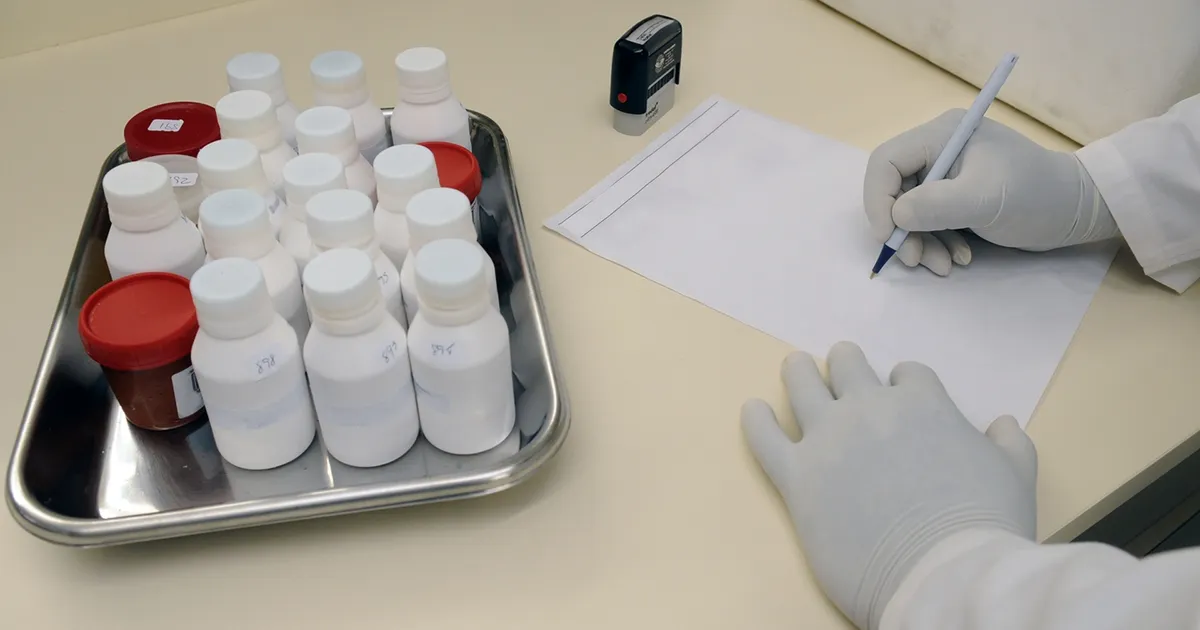
| GI-MAP stool test (qPCR) | DNA copy numbers for a defined panel of organisms, plus enzyme and immune markers including fecal beta-glucuronidase | It targets a set panel rather than sequencing everything, and the enzyme result does not quantify estrogen reabsorption |
| Shotgun metagenomic sequencing | Broad species and gene-function profile including glucuronidase genes | Gene presence is not expression, and symptom-linked reference ranges do not exist |
| DUTCH dried urine testing | Estrogen metabolites and ratios across a collection window, plus cortisol | It reports metabolite output, not gut enzyme activity, and diagnoses nothing on its own |
| Serum estradiol and progesterone | Circulating concentration at one moment, read by cycle phase | A single draw cannot show recirculation and swings widely in perimenopause |
| Stool frequency log | How fast material moves through | Not hormone-specific, but often more actionable than any panel |
A practical sequence in clinic is symptom and cycle tracking first, then a thyroid and iron workup because both alter motility and bleeding, then hormone testing timed to the cycle, and stool testing when gut symptoms are prominent enough to change what we would do. The mechanics of stool panels are covered in GI-MAP stool testing explained, and the trade-offs between urine and blood hormone testing in hormone testing for women: DUTCH vs blood.
The levers worth pulling
Fiber, and specifically the amount
Fiber is the lever with the most support. It shortens transit, binds bile acids, feeds the fermenters that produce short-chain fatty acids, and increases fecal loss of conjugated estrogen. US intake averages roughly 15 grams a day against a recommendation of 25 grams or more for adult women. Most women who feel their diet is already healthy are somewhere in the high teens. Getting to 30 grams from food, added gradually over several weeks to avoid a bloating flare, is a more meaningful change than any supplement in this article.
| Food | Typical serving | Approximate fiber |
|---|---|---|
| Ground flaxseed | 2 tablespoons | About 4 g, plus lignans that are weakly estrogenic and studied in breast health |
| Black beans or lentils | 1 cup cooked | About 15 g |
| Raspberries | 1 cup | About 8 g |
| Chia seeds | 2 tablespoons | About 10 g |
| Broccoli or Brussels sprouts | 1 cup cooked | About 5 g, plus glucosinolates |
| Rolled oats | 1 cup cooked | About 4 g including beta-glucan |
Transit time and daily elimination
If bowel movements are less frequent than daily, that is the first thing to address, before supplements aimed at hormones. Contributing causes to rule out include hypothyroidism, low iron, dehydration, inadequate fiber, medication effects and pelvic floor dysfunction. Constipation with hormone symptoms is a treatable overlap, not a personality trait.
Cruciferous vegetables, DIM and I3C
Cruciferous vegetables supply glucosinolates that convert to indole-3-carbinol and then diindolylmethane (DIM), which shift phase I hydroxylation toward the 2-hydroxy pathway in human studies. The biochemical effect is real and reproducible; what has not been shown is that the shift reliably improves symptoms. Studied ranges for concentrated DIM supplements vary and the trials are small, so dosing is a conversation with your clinician rather than a self-directed experiment, particularly alongside hormonal contraception or hormone therapy.
Fermented foods, alcohol, and what to be skeptical about
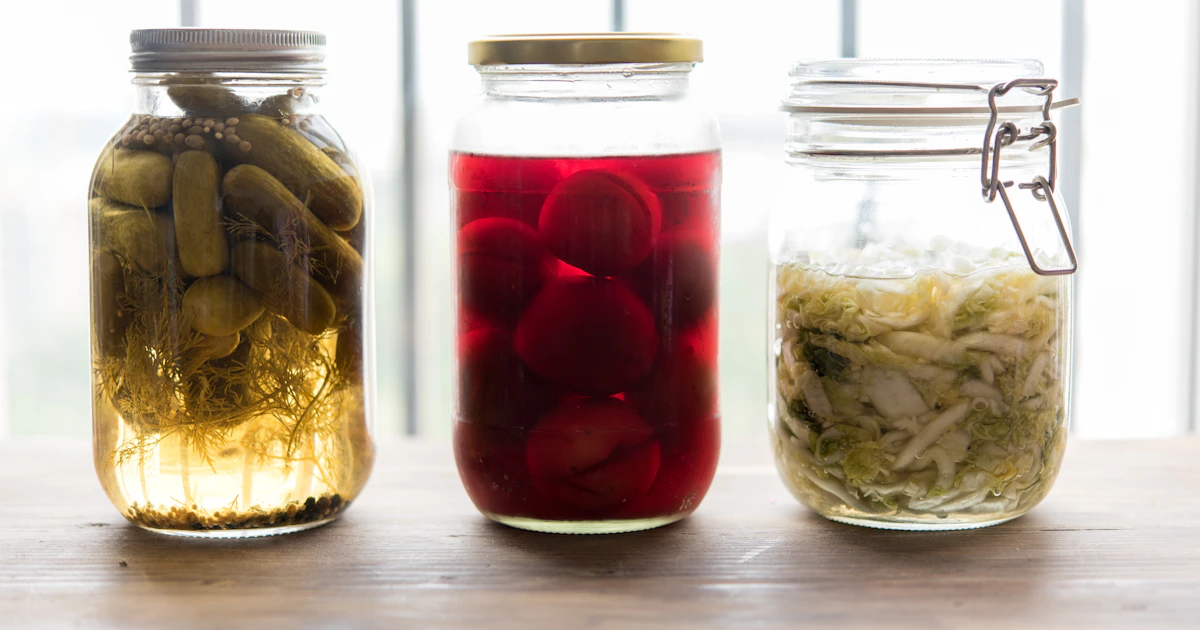
A 2021 Stanford randomized trial comparing a high-fermented-food diet against a high-fiber diet found the fermented arm raised microbial diversity and lowered several inflammatory markers over ten weeks. It measured immune markers rather than estrogen, but it is among the better-designed diet-microbiome trials. A small daily serving of live-culture yogurt, kefir, kimchi, sauerkraut or miso, built up slowly, is the practical version; fermented foods for gut health and the best foods for gut health cover the detail.
Alcohol raises circulating estrogen in controlled human studies and occupies hepatic conjugation capacity, so reducing intake is one of the few changes here with direct human evidence behind it. By contrast, generic estrogen detox protocols, hormone-branded probiotics and coffee enemas all promise more than the evidence supports. Treat them as optional extras on top of fiber, transit and alcohol, never as substitutes.
A composite picture from clinic
The following is an illustrative composite drawn from patterns seen repeatedly in practice. It is a teaching example, not a specific patient, and it is not a promise of any particular result.
A 43-year-old woman reports heavier periods over the past year, breast tenderness that now lasts eight or nine days, worsening premenstrual irritability, and lifelong constipation she has never raised with a doctor because she assumes it is normal. Her diet sounds clean: coffee and a protein shake, a salad at lunch, chicken and rice at dinner, and two glasses of wine most evenings. A prior workup found a normal TSH and a normal pelvic ultrasound, and she was told her labs looked fine.
The reconstruction that fits is fiber intake near 12 grams a day, bowel movements every second or third day, daily alcohol, and symptoms clustered in the luteal phase. Each element plausibly extends estrogen contact time or raises the circulating pool. The plan is unremarkable: fiber increased stepwise toward 30 grams, daily elimination restored, alcohol reduced, a thyroid panel with antibodies and a ferritin given the heavy bleeding, and mid-luteal progesterone timed to her actual cycle. Stool testing is held in reserve. The point of the composite is sequencing, because the boring inputs get evaluated before the expensive panels.
An evidence tier
Because this topic is heavily marketed, it is worth setting out which claims sit at which level.
| Claim | Evidence level |
|---|---|
| Gut bacteria produce beta-glucuronidase and deconjugate estrogen in the colon | Established biochemistry, not in dispute |
| Enterohepatic recirculation returns some deconjugated estrogen to circulation | Established physiology |
| Microbiome composition correlates with estrogen levels in women | Observational human data across several cohorts |
| Higher fiber intake increases fecal estrogen excretion | Small human studies, directionally consistent |
| A stool beta-glucuronidase result predicts symptoms or hormone levels | Not established; no validated thresholds |
| Correcting the microbiome treats estrogen dominance | Hypothesis; no controlled trials on this endpoint |
| Estrogen dominance is a formal diagnosis | It is a functional medicine descriptor, not a diagnostic code |
Holding both halves of that table at once is the useful position. The mechanism is real, the levers are low-risk, and the testing is less decisive than it can appear.
When this deserves a proper workup
Book an evaluation rather than continuing to self-manage if any of the following apply:
- Bleeding heavy enough to soak through protection hourly, lasting over seven days, or occurring between periods
- Constipation unresponsive to adequate fiber, fluid and movement over eight to twelve weeks
- Any new or one-sided breast lump, skin change or nipple discharge, regardless of cycle timing
- Unintended weight loss, blood in the stool, or a family history of colorectal cancer
- A pattern persisting beyond three cycles despite the dietary changes described above
A workup here usually combines a cycle and bowel log, a thyroid panel with antibodies, iron studies, timed sex hormones and, where warranted, stool testing, interpreted together rather than in isolation. If this pattern looks familiar, the functional medicine process page explains how a workup at Interlinked Wellness is structured, and the digestive and gut health page covers the conditions most often involved.
FAQ
Can gut problems really cause a hormone imbalance?
The gut influences estrogen clearance, which is not the same as being the sole cause of a hormone imbalance. Microbial beta-glucuronidase can free conjugated estrogen for reabsorption, and slow transit extends the window for that to happen, so gut function is one input into total estrogen exposure. Ovarian output, body composition, liver function, alcohol, medications and perimenopausal fluctuation are all inputs too. Treating the gut is reasonable and often helpful; expecting it to resolve every hormone symptom is not.
What is beta-glucuronidase on a stool test?
It is a measure of enzyme activity from gut bacteria that cleave glucuronide groups from compounds the liver has packaged for excretion, including estrogens and some drugs and toxins. A high result suggests more deconjugation capacity in the colon. It does not quantify how much estrogen is being reabsorbed, and there is no validated cutoff that predicts symptoms, so it is best read alongside fiber intake, bowel frequency and the clinical picture rather than as a standalone finding.
Is estrogen dominance a real diagnosis?
It is a descriptive term for a pattern in which estrogen effect is high relative to progesterone, not a formal diagnosis in conventional endocrinology. The underlying pattern is real and common in perimenopause, where ovulation becomes irregular and luteal progesterone falls while estrogen still fluctuates at times to high levels. The useful clinical work is identifying which contributors apply to you rather than debating the label.
References
- NIH Common Fund. National Institutes of Health. 2026. https://commonfund.nih.gov/hmp
About the author

Anna Evans MSN, APRN, FNP-C
Founder, Interlinked Wellness
Anna Evans, MSN, APRN, FNP-C is a board-certified Family Nurse Practitioner licensed in Texas. She founded Interlinked Wellness, a virtual functional medicine practice serving women across Texas from offices in Dallas and Austin. Her clinical focus is perimenopause, hormone imbalance, gut health, thyroid and autoimmune conditions, and chronic fatigue.
More about Anna · Schedule a consultation · LinkedIn · Instagram
Medical disclaimer. The information on this page is provided for general education and is not individualized medical advice. At Interlinked Wellness, Anna Evans, MSN, APRN, FNP-C, provides personalized care based on your health history, symptoms, concerns, and goals. An individual consultation allows Anna to evaluate your specific situation and recommend an appropriate approach to care. Reading this page alone does not establish a patient-provider relationship. If you are experiencing a medical emergency, call 911 or your local emergency services.
Join Anna on a virtual wellness journey and unlock your full potential.