No diet has been shown to cure Hashimoto's thyroiditis, but several dietary changes have real supporting evidence for specific outcomes. A strict gluten-free diet is established treatment where celiac disease is confirmed. Correcting documented deficiencies of iron, vitamin D and B12 improves symptoms that are often blamed on the thyroid. Selenium has the strongest supplement evidence for lowering thyroid antibody levels, within a narrow safety margin. The autoimmune protocol has small, uncontrolled pilot data behind it. Everything else, including the goitrogen warnings that circulate widely, has little evidence behind it. This article sorts the claims by evidence tier and sets out how to run an elimination trial properly, including the reintroduction phase most people skip.
Free interactive tool
Elimination trial readiness check
Answer two quick questions to see whether an elimination trial suits you right now and which setup steps this article says to put in place first.
In this article
- Gluten-free is essential in celiac disease and a supervised trial at most without it
- The autoimmune protocol rests on small uncontrolled pilots, not on controlled trials
- Selenium, iron and vitamin D are the nutrients with genuine mechanistic and clinical support
- Cooked cruciferous vegetables and moderate soy are not a problem for thyroid function
- A realistic elimination trial is time-limited, tracked and has a decision point
- Reintroduction is the part that produces the answer, and the part most people skip
The evidence tiers, sorted
Sorting by evidence strength rather than by popularity changes the priority order considerably.
| Dietary change | Evidence tier | What it is reasonable to expect |
|---|---|---|
| Strict gluten-free diet in confirmed celiac disease | Established treatment | Resolution of celiac-related damage and better absorption of iron, B12 and levothyroxine |
| Correcting documented iron, vitamin D or B12 deficiency | Strong for symptoms | Improvement in fatigue, hair shedding and cognitive symptoms attributable to the deficiency |
| Selenium repletion where intake or status is low | Moderate, antibody endpoint only | Lower TPO antibody titers in several trials; symptom benefit unproven |
| Adequate protein and total energy intake | Strong mechanistically | Prevents the low-T3 state that chronic under-eating produces |
| Gluten-free without celiac disease | Weak, one small trial | Possible antibody reduction; worth a supervised trial, not a life sentence |
| Autoimmune protocol (AIP) | Weak, small uncontrolled pilots | Possible symptom and quality-of-life improvement in some people |
| Dairy elimination | Very weak outside lactose intolerance | Helpful only if symptoms clearly track with dairy intake |
| Goitrogen avoidance | Not supported at normal intakes | No benefit; unnecessary restriction of nutrient-dense vegetables |
| High-dose iodine or kelp supplements | Evidence of harm in autoimmune thyroid disease | Can worsen autoimmunity; avoid unless a clinician documents deficiency |
Gluten: what the evidence actually says
Celiac disease and autoimmune thyroid disease occur together more often than chance, sharing genetic susceptibility. That makes celiac screening a reasonable step after a Hashimoto's diagnosis, and it has to happen before gluten is removed, because celiac serology becomes unreliable within weeks of a gluten-free diet. Removing gluten first and testing later is the single most common sequencing mistake in this area, and it can cost a woman a definitive diagnosis for a condition that carries lifelong implications.
Where celiac disease is confirmed, strict lifelong gluten avoidance is treatment, not a lifestyle preference. Where it is excluded, the supporting evidence narrows to a small 2019 randomized study by Krysiak and colleagues in drug-naive women with Hashimoto's, which reported reduced thyroid antibody titers after six months of a gluten-free diet. It was small, conducted in one population, and has not been widely replicated. Nor did it show symptom or disease-progression benefit. That evidence supports offering a supervised trial to a woman whose symptoms are unexplained; it does not support telling everyone with Hashimoto's that gluten is driving their disease.
One practical note that has nothing to do with autoimmunity: gluten-containing products are not the issue for medication absorption, but coffee, calcium, iron and fiber supplements taken close to levothyroxine are. Separating them matters more than most dietary decisions on this list.
The autoimmune protocol, and what its pilot data show
The autoimmune protocol (AIP) is a structured elimination diet removing grains, legumes, dairy, eggs, nuts, seeds, nightshade vegetables, alcohol, coffee, refined sugars and food additives for a defined period, followed by staged reintroduction. It grew out of the paleo framework and has been adopted widely in functional medicine.
The best clinical data come from a 2017 pilot by Konijeti and colleagues published in Inflammatory Bowel Diseases, in which participants with Crohn's disease or ulcerative colitis followed an AIP elimination and maintenance phase and a meaningful proportion achieved clinical remission by week six. A small uncontrolled 2019 series applied a similar multi-disciplinary AIP program to women with Hashimoto's and reported improved quality-of-life scores and reduced inflammatory markers, without a significant change in thyroid antibodies.
Three limits stand out in those studies. Both were small. Neither had a control group, so expectation effects and the attention of a supported program cannot be separated from the diet itself. And neither demonstrated a change in the autoimmune process against the thyroid. AIP is best understood as a structured way to identify individual food reactions in someone with unexplained symptoms, not as a treatment for the disease.
The nutrients that matter
These have a mechanistic role in thyroid function or thyroid autoimmunity. The ranges below describe what has been studied. Dose and duration are decisions for your clinician, and selenium and iodine in particular are nutrients where more is not better.
| Nutrient | Why it matters | Evidence and food sources |
|---|---|---|
| Selenium | Required for the deiodinase enzymes that activate thyroid hormone and for antioxidant defense in thyroid tissue | Several trials report reduced TPO antibody titers at studied doses around 200 mcg daily; symptom benefit is unproven. The upper intake level is 400 mcg daily and toxicity is real, so testing before supplementing is sensible. Two Brazil nuts can exceed a day's requirement. See the NIH ODS selenium fact sheet |
| Iron | Thyroid peroxidase is iron-dependent, and low iron independently causes fatigue and hair shedding | Common in women with heavy periods, which Hashimoto's itself can cause. Red meat, shellfish, legumes and dark leafy greens, with vitamin C to aid absorption of plant sources. See the NIH ODS iron fact sheet |
| Vitamin D | Immune modulation through receptors on immune cells | Deficiency is associated with autoimmune thyroid disease observationally; supplementation trials show inconsistent antibody effects. Correcting a documented deficiency is still worthwhile. Oily fish, egg yolks and fortified foods contribute modestly |
| Iodine | The raw material for thyroid hormone | Both deficiency and excess cause dysfunction, and high doses can worsen autoimmunity. Iodized salt, dairy and seafood usually cover requirements in the United States. Kelp and high-dose supplements are the risk |
| Zinc and vitamin B12 | Cofactors for hormone conversion and for nerve and red cell function | Preliminary evidence for zinc in T3 conversion; B12 deficiency is more common in autoimmune thyroid disease and produces overlapping symptoms |
The goitrogen myth
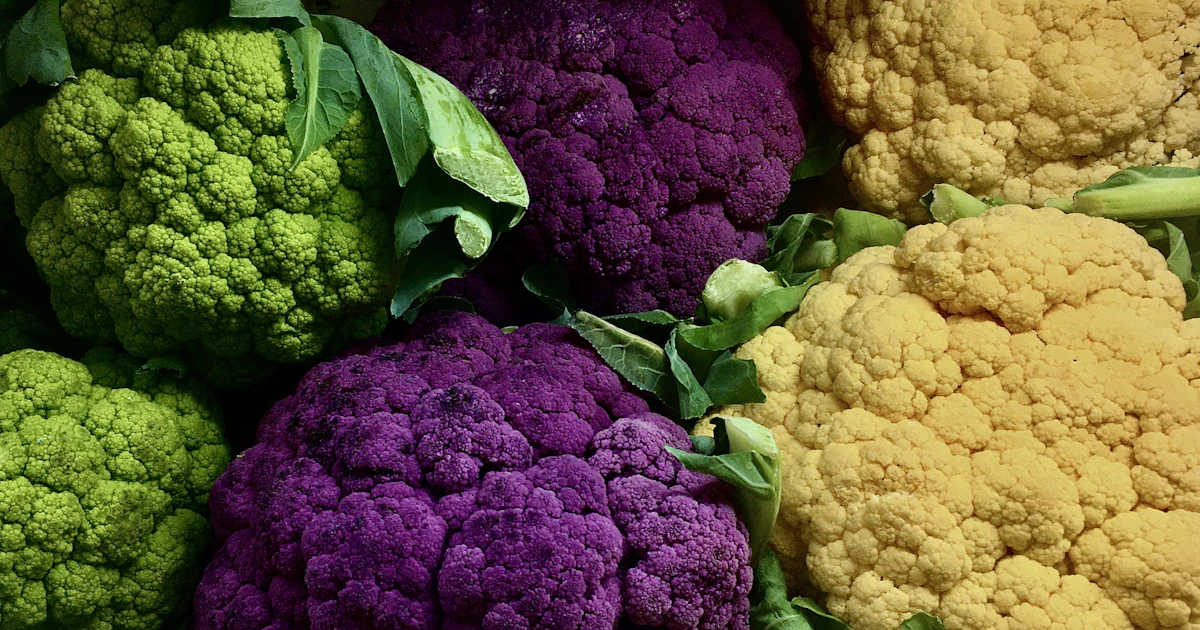
Broccoli, kale, cabbage, Brussels sprouts and soy are widely described as foods to avoid with Hashimoto's. The claim rests on real biochemistry applied at the wrong scale. Glucosinolates in cruciferous vegetables can interfere with iodine uptake, and soy isoflavones can inhibit thyroid peroxidase, but both effects have only been shown to matter clinically in the context of iodine deficiency or very large raw intakes. Cooking substantially reduces the goitrogenic compounds in cruciferous vegetables. In iodine-sufficient people, normal portions do not impair thyroid function, and the American Thyroid Association does not advise avoiding them.
There is one practical caveat: soy products can reduce levothyroxine absorption if taken at the same time, so separating them by several hours is sensible. Beyond that, removing cruciferous vegetables costs fiber, folate and glucosinolates for no demonstrated benefit. They also happen to be among the best foods for gut health.
How to run an elimination trial properly
Most elimination diets fail not because the foods were wrong but because the trial was never designed to produce an answer. A trial worth doing has a start date, an end date, a measurement and a decision rule.
- Test first. Celiac serology, a full thyroid panel with antibodies, ferritin, vitamin D and B12 before removing anything. Deficiencies found here often explain more than the diet will
- Choose a scope you can sustain. A single-food removal answers a narrow question well. Full AIP answers a broad question but is demanding, and an abandoned week-three attempt tells you nothing
- Set the window. Four to six weeks is enough for most food-related symptoms to settle. Antibody change, if it is going to happen, takes three to six months
- Measure something. Rate three or four target symptoms weekly on a simple scale. Memory reconstructs improvement that did not occur, in both directions
- Keep protein and energy adequate. Under-eating lowers T3 and worsens fatigue, which can be misread as the diet failing or as the disease progressing
- Reintroduce systematically. Without this step, an elimination diet has produced a restriction, not information
The reintroduction protocol
Reintroduce one food group at a time, in isolation, with a washout between groups. The staged approach below is standard practice.
| Step | What to do | What to record |
|---|---|---|
| Day 1 | Eat a small amount of the single food once, then stop | Symptoms over the next 24 hours |
| Day 2 | If no reaction, eat a normal portion once | Digestive symptoms, energy, sleep, skin, joints, mood |
| Day 3 | If still no reaction, eat two normal portions | Same symptom set, plus any delayed response |
| Days 4 to 6 | Return to the elimination baseline and observe | Delayed reactions, which commonly appear 24 to 72 hours later |
| Then | If clear, add the food back permanently and start the next group | Which foods are genuinely implicated |
Reactions that repeat on two separate challenges are meaningful. A single bad day during a stressful week is not. The goal is the smallest sustainable restriction that holds the symptom benefit, which for most people ends up being far shorter than the original list.
Interactive tool
Elimination trial readiness check
Answer two quick questions to see whether an elimination trial suits you right now and which setup steps this article says to put in place first.
When an elimination diet is the wrong tool
Restriction carries risk, and there are situations where the answer is not to start:
- Any history of an eating disorder or disordered eating, where structured restriction can reactivate the pattern
- Pregnancy, breastfeeding, or being underweight, where nutrient and energy needs are high
- Existing multiple restrictions with a narrow food list already
- Food insecurity or circumstances where the plan is not realistically affordable
- Untreated overt hypothyroidism, where replacement therapy should be established before dietary experiments are judged
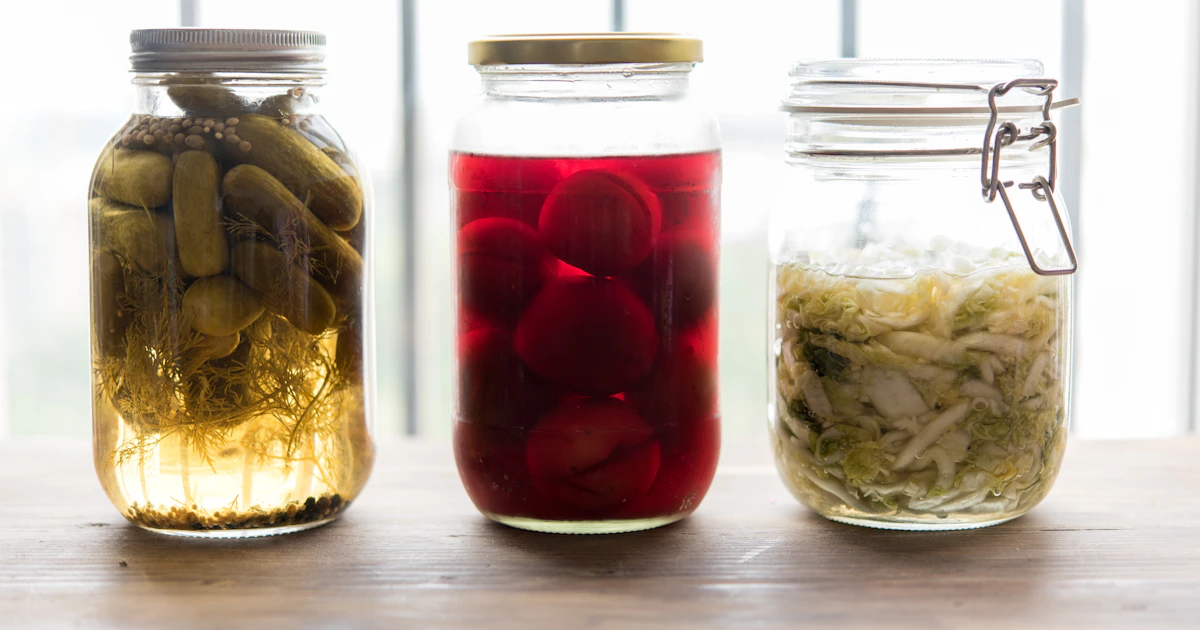
In those cases the productive work is nutrient repletion, adequate protein and energy, appropriate medical treatment and sleep, all of which move symptoms more reliably than removing foods. Fermented foods and dietary variety are a gentler starting point than elimination for most people, as fermented foods for gut health describes.
The wider clinical picture is covered in the guide to Hashimoto's and autoimmune thyroid disease, and the symptom side in Hashimoto's symptoms in women. If you want this run as a structured plan rather than a solo experiment, the functional medicine process page explains how an evaluation works at Interlinked Wellness, and the autoimmune disorders page covers the conditions involved.
FAQ
What foods should be avoided with Hashimoto's?
The only universal avoidance is gluten in confirmed celiac disease, plus high-dose iodine and kelp supplements, which can worsen autoimmune thyroid disease. Alcohol and heavily processed foods are worth reducing for general reasons rather than thyroid-specific ones. Cruciferous vegetables and normal amounts of soy do not need avoiding. Beyond that, the foods worth removing are the ones a properly conducted reintroduction shows are causing your symptoms, which differ between individuals.
Does going gluten-free lower thyroid antibodies?
One small randomized study in drug-naive women with Hashimoto's reported lower antibody titers after six months gluten-free, and it has not been widely replicated. That is enough to justify a supervised trial with a clear assessment point, not enough to establish it as a general recommendation. Screen for celiac disease first, because the serology becomes unreliable once gluten has been removed.
Should I take selenium for Hashimoto's?
Selenium has the best supplement evidence here, with several trials showing reduced TPO antibody titers at studied doses around 200 mcg daily. What has not been shown is that lower antibodies translate into better symptoms or slower disease progression. Selenium also has a narrow safety window, with an upper intake level of 400 mcg daily, and Brazil nuts vary enormously in content. Testing status and discussing dose with your clinician is the sensible route rather than self-prescribing.
How long before a diet change shows any effect?
Symptoms that respond to food changes usually shift within four to six weeks. Antibody levels, if they move at all, take three to six months, and they fluctuate enough that a single repeat measurement can mislead. Nutrient repletion follows its own timeline: vitamin D and B12 correct within weeks to a few months, while iron stores and the hair regrowth that follows them can take six months or longer.
References
- NIH Office of Dietary Supplements. National Institutes of Health. 2025. https://ods.od.nih.gov/factsheets/Selenium-HealthProfessional/
- NIH Office of Dietary Supplements. National Institutes of Health. 2025. https://ods.od.nih.gov/factsheets/Iron-HealthProfessional/
- American Thyroid Association. American Thyroid Association. 2026. https://www.thyroid.org/professionals/ata-professional-guidelines/
About the author

Anna Evans MSN, APRN, FNP-C
Founder, Interlinked Wellness
Anna Evans, MSN, APRN, FNP-C is a board-certified Family Nurse Practitioner licensed in Texas, Idaho, Colorado, Utah, and Arizona. She founded Interlinked Wellness, a virtual functional medicine practice serving women in Texas, Idaho, Colorado, Utah, and Arizona from offices in Dallas and Austin. Her clinical focus is perimenopause, hormone imbalance, gut health, thyroid and autoimmune conditions, and chronic fatigue.
More about Anna · Schedule a consultation · LinkedIn · Instagram
Medical disclaimer. The information on this page is provided for general education and is not individualized medical advice. At Interlinked Wellness, Anna Evans, MSN, APRN, FNP-C, provides personalized care based on your health history, symptoms, concerns, and goals. An individual consultation allows Anna to evaluate your specific situation and recommend an appropriate approach to care. Reading this page alone does not establish a patient-provider relationship. If you are experiencing a medical emergency, call 911 or your local emergency services.
Join Anna on a virtual wellness journey and unlock your full potential.