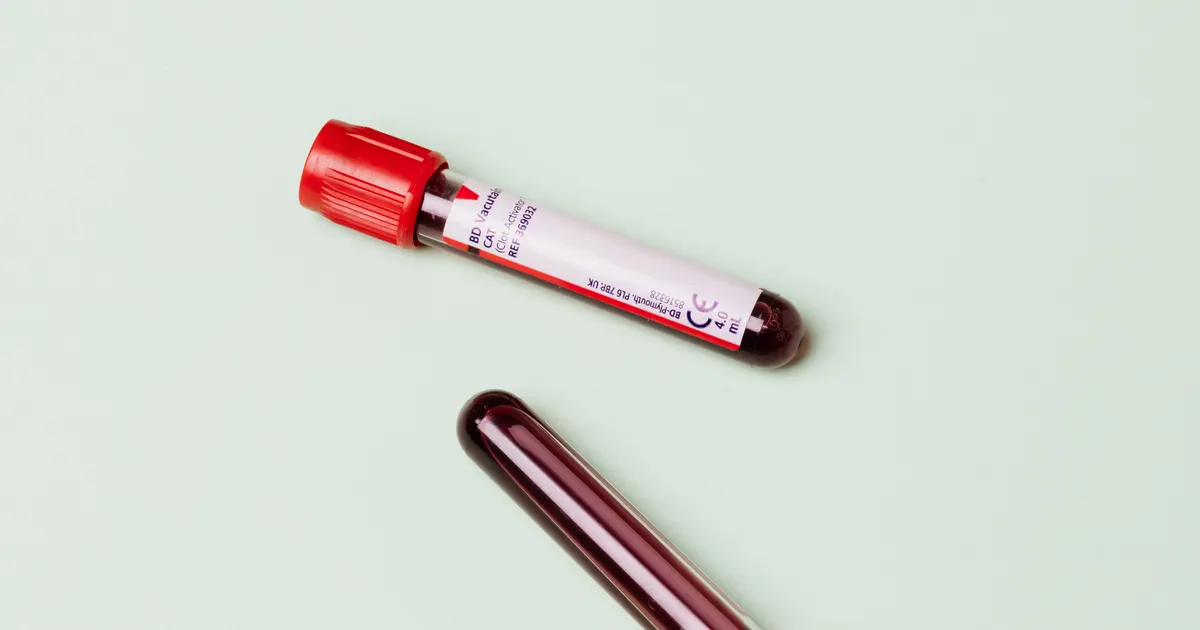
Hashimoto's thyroiditis develops when an inherited susceptibility to autoimmunity is activated by environmental triggers, and it is the trigger side of that equation that can be investigated and sometimes changed. Hashimoto's is the most common cause of hypothyroidism in the United States and is diagnosed in women far more often than in men (American Thyroid Association). Genes set the risk; something in the environment converts that risk into disease. The triggers with the most support are intestinal permeability, infection, chronic stress, deficiency of the nutrient cofactors thyroid tissue depends on, chemical exposure, and the hormonal shifts of pregnancy and perimenopause. This article works through each one, states the evidence, and sets out how each is tested.
Free interactive tool
Trigger-to-test matcher
Tick the parts of your history that fit to see the first-line investigation this article matches to each suspected trigger, with its caveat.
In this article
- The genetics-plus-triggers model, and why it is a map rather than a proven chain
- What intestinal permeability has to do with an organ in your neck
- Where Epstein-Barr virus and other infections sit in the evidence
- Why "adrenal fatigue" is the wrong frame for what stress does
- Selenium, ferritin, vitamin D, zinc and iodine measured and interpreted
- A table matching each suspected trigger to a first-line investigation
- What sets off a flare once you have the diagnosis
The genetics-plus-triggers model
Autoimmune disease is often described to patients as something that simply happened. A more useful framing holds that three things line up: a genetic susceptibility, an environmental trigger, and a loss of barrier integrity that lets the trigger and the immune system meet. Alessio Fasano proposed this three-part model for autoimmune disease generally, arguing that increased intestinal permeability is the third and potentially reversible component (Fasano, Physiological Reviews, 2011). It is a mechanistic hypothesis with laboratory support, not a causal sequence proven in humans with Hashimoto's. What makes it clinically useful is that two of its three legs can be examined and sometimes altered, whereas the genetic leg cannot. Datis Kharrazian's clinical reference Why Do I Still Have Thyroid Symptoms? popularized this trigger-hunting approach; it remains a practitioner framework rather than a guideline-endorsed protocol.
Heritability is substantial but not deterministic. The loci most consistently implicated include the HLA-DR region, CTLA-4, PTPN22 and the thyroglobulin gene, none of which is tested routinely or changes management. The most informative genetic data point in practice is family history: a mother or sister with thyroid disease, type 1 diabetes, celiac disease or vitiligo raises the prior probability more usefully than any consumer gene panel.
Trigger 1: intestinal permeability and the gut immune system
A large proportion of the body's immune tissue sits in the gut wall as gut-associated lymphoid tissue. That is the anatomical reason a gut problem can become a thyroid problem: the surface where the immune system does most of its learning about self and foreign is the intestinal lining. When the tight junctions between intestinal cells loosen, larger molecules cross into circulation and meet immune cells in a context they were not meant to. Zonulin, the protein Fasano's group identified as a regulator of those junctions, is upregulated by gluten fragments in laboratory models.
The strongest documented gut-thyroid link is celiac disease, which co-occurs with autoimmune thyroid disease far more often than chance predicts (American Thyroid Association). The further claim, that gluten proteins resemble thyroid tissue closely enough to provoke cross-reactive antibodies, is molecular mimicry, and remains a hypothesis supported by in-vitro work rather than clinical trials. That justifies screening for celiac disease in anyone newly diagnosed; it does not justify telling every patient that gluten caused their disease.
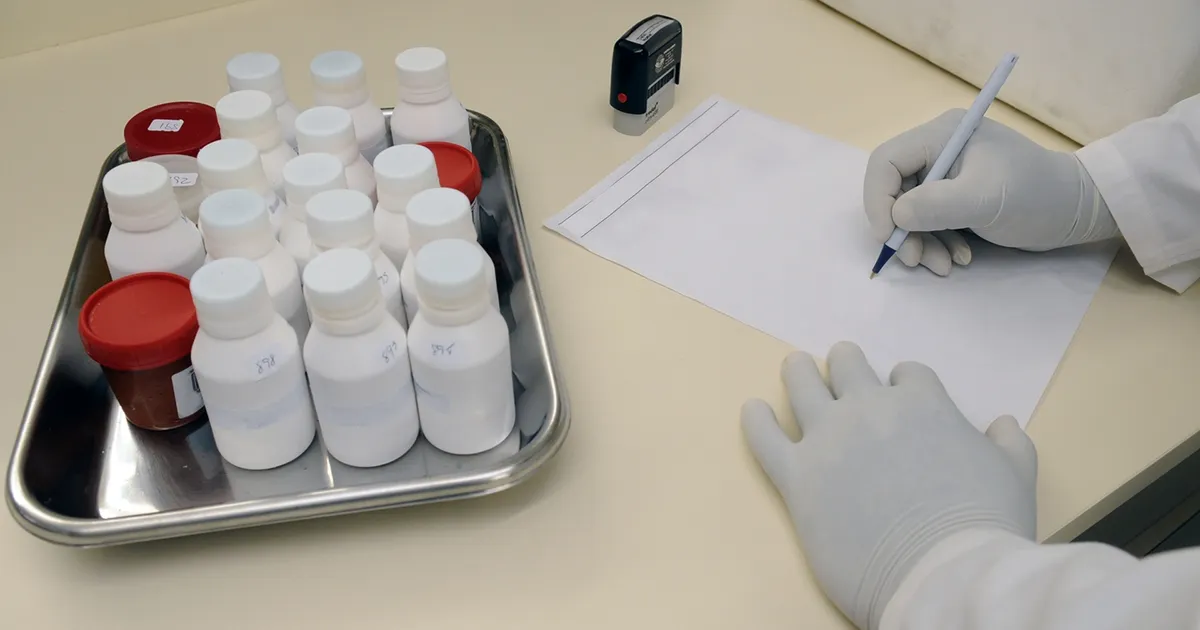
Investigation starts with tissue transglutaminase IgA plus total IgA, performed while still eating gluten. Stool testing then describes the microbial picture and markers such as calprotectin and secretory IgA. Our explainer on leaky gut, its signs and how it is tested covers what permeability measures can and cannot establish, and where digestive symptoms dominate, the digestive and gut health pathway is where a workup begins.
Trigger 2: infection, particularly Epstein-Barr virus
Epstein-Barr virus attracts the most attention because its DNA has been detected in thyroid tissue from people with Hashimoto's in small histological studies, and because EBV infects B cells directly, giving it a plausible route to disturbing antibody production. Helicobacter pylori, Yersinia enterocolitica and hepatitis C have also been reported in association with thyroid autoimmunity.
The interpretation problem is rarely stated. More than nine in ten adults carry EBV antibodies, so a positive EBV IgG is close to meaningless alone: it says you were infected at some point, which is true of almost everyone. Detecting viral material in inflamed tissue also does not establish that the virus started the inflammation.
Testing helps when the story fits, such as symptoms that began after a severe mononucleosis-type illness. A full EBV panel separates acute infection, past infection and possible reactivation using viral capsid antigen IgM and IgG, early antigen and nuclear antigen antibodies. H. pylori is tested by stool antigen or urea breath test.
Trigger 3: chronic stress and HPA-axis dysregulation
"Adrenal fatigue" is described clinically as HPA-axis dysregulation. Major endocrinology bodies reject the term, and systematic reviews of the studies used to support it find no consistent evidence that the adrenal glands become exhausted (Endocrine Society). Saying so plainly matters, because a diagnosis that does not exist cannot be treated, and because women with genuine adrenal disease occasionally get missed inside the label.
What does have physiological support is hypothalamic-pituitary-adrenal axis dysregulation: sustained stress alters the timing and amplitude of cortisol output rather than depleting it. That matters for the thyroid in three ways. Cortisol influences immune signaling in directions that can favor autoimmunity. It reduces secretory IgA at mucosal surfaces, weakening the gut barrier described above. And it dampens conversion of T4 to active T3 while increasing reverse T3, which can leave a woman symptomatic despite an unremarkable TSH.
A four-point salivary cortisol curve or a dried urine panel describes those output patterns. Neither diagnoses disease, and neither substitutes for serum cortisol and ACTH testing if adrenal insufficiency is suspected.
Trigger 4: nutrient cofactors the thyroid depends on
Selenium is the most studied. The thyroid holds more selenium per gram than any other tissue, because the glutathione peroxidase enzymes that neutralize hydrogen peroxide generated during hormone synthesis are selenoproteins, as are the deiodinases that convert T4 to T3. A frequently cited trial found supplementation reduced thyroid peroxidase antibody concentrations in women with autoimmune thyroiditis (Gärtner et al., JCEM, 2002). Later reviews are more reserved: titers fall, but effects on symptoms and on progression to hypothyroidism are not established. The tolerable upper intake level for adults is 400 mcg per day and chronic excess causes selenosis (NIH Office of Dietary Supplements); studied doses sat near 200 mcg daily. Discuss any supplementation with your clinician.
Iron matters because thyroid peroxidase, the enzyme antibodies target, is heme-dependent, and iron deficiency reduces its activity. Ferritin is often low in women with heavy menstrual bleeding, and is falsely raised by inflammation, so it is read alongside CRP. Vitamin D is consistently lower in autoimmune thyroid disease than in controls, but supplementation trials show modest and inconsistent effects on antibody titers (NIH Office of Dietary Supplements). Iodine is handled badly most often: both deficiency and excess drive thyroid disease, and where intake rose through salt iodization programs, autoimmune thyroiditis incidence rose with it. Kelp products and high-dose iodine supplements can worsen Hashimoto's rather than help it.
Nutrient cofactors at a glance
| Nutrient | Role in thyroid or immune function | How status is assessed | Evidence status |
|---|---|---|---|
| Selenium | Cofactor for glutathione peroxidase and the deiodinases | Serum selenium; intake review | Trials reduce TPO antibodies; clinical outcomes unproven. Upper limit 400 mcg/day |
| Iron and ferritin | Thyroid peroxidase is a heme enzyme | Ferritin with CRP, iron, transferrin saturation | Established biochemistry; correcting deficiency is standard care |
| Vitamin D | Immune regulation via receptors on lymphocytes | 25-hydroxyvitamin D | Strong association; supplementation trials mixed |
| Zinc | Needed for hormone synthesis and T3 receptor function | Plasma zinc (imperfect); intake review | Mechanistic support; little intervention data |
| Iodine | Substrate for thyroid hormone; excess raises oxidative load | Diet history; urinary iodine if indicated | Deficiency and excess both associated with disease |
| Vitamin B12 | Often deficient alongside autoimmune gastritis | Serum B12, plus methylmalonic acid if borderline | Documented autoimmune clustering |
Trigger 5: environmental exposures
This is where confident claims most often outrun the data. Ionizing radiation to the neck has a documented relationship with thyroid disease, which is why radiotherapy histories are asked about routinely. Perchlorate, thiocyanate and nitrate compete with iodide at the sodium-iodide symporter, a well-characterized mechanism. Smoking has a genuinely complicated relationship with thyroid autoimmunity: it raises the risk of Graves' disease and its eye complications, yet is associated with lower measured TPO antibody levels, and titers can rise after quitting. That contradiction is one reason single-marker thinking about triggers is unreliable.
Endocrine-disrupting chemicals including bisphenols, phthalates and per- and polyfluoroalkyl substances have been associated with altered thyroid function in epidemiological studies. What does not yet exist is evidence that reducing one person's exposure changes their antibody status. Reducing avoidable exposure is defensible; presenting it as a treatment for Hashimoto's is not.
Trigger 6: pregnancy, postpartum and perimenopause
The immune system shifts during pregnancy to tolerate the fetus, then reverts afterwards. That rebound is a recognized point of onset: postpartum thyroiditis affects a meaningful minority of women in the first year after delivery, often beginning with a transient thyrotoxic phase before a hypothyroid one, and a proportion go on to permanent hypothyroidism. Women TPO antibody positive during pregnancy carry the highest risk.
Perimenopause is the other window in which thyroid disease surfaces, partly because the symptom overlap is close enough that either condition can mask the other. Fatigue, weight change, brain fog, mood change, hair thinning and disrupted sleep appear on both lists. The menopause and perimenopause care page describes how the two are evaluated together rather than sequentially. Attributing every midlife symptom to hormones without checking thyroid antibodies is a common and avoidable error.
How each suspected trigger is investigated
The point of a trigger list is not to test everything. It is to match the story to a few investigations that could change what happens next.
| Suspected trigger | First-line investigation | What it can tell you | Caveat |
|---|---|---|---|
| Celiac disease | Tissue transglutaminase IgA plus total IgA, while eating gluten | Identifies celiac disease, which co-occurs with Hashimoto's | A negative result does not exclude non-celiac gluten sensitivity, which has no validated test |
| Permeability and dysbiosis | Stool analysis with calprotectin and secretory IgA | Microbial pattern, inflammation, digestive capacity | Permeability markers are research-grade and describe terrain |
| Epstein-Barr virus | Full EBV panel: VCA IgM, VCA IgG, early antigen, EBNA | Separates acute infection from past exposure | Over ninety percent of adults are seropositive, so IgG alone means little |
| Helicobacter pylori | Stool antigen or urea breath test | Detects active, treatable infection | Requires holding proton pump inhibitors first |
| HPA-axis dysregulation | Four-point salivary or dried urine cortisol | The shape of the daily cortisol curve | Not diagnostic. Suspected adrenal insufficiency needs serum cortisol and ACTH testing |
| Nutrient deficiency | Ferritin with CRP, vitamin D, selenium, zinc, B12 | Correctable deficiencies affecting thyroid and immune function | Correction is worthwhile in itself but is not a proven treatment for autoimmunity |
| Thyroid autoimmunity itself | TPO and thyroglobulin antibodies with TSH and free T4 | Whether the process is autoimmune, and how far function has changed | A minority are antibody negative on standard assays |
Interactive tool
Trigger-to-test matcher
Tick the parts of your history that fit to see the first-line investigation this article matches to each suspected trigger, with its caveat.
Why the panel has to go past TSH
Trigger hunting is half the work; the other half is measuring what the gland is doing. A TSH-only test answers one question: whether pituitary signaling is within range today. It does not say whether the process is autoimmune or whether antibodies were present years before function declined. That point matters most, because antibodies commonly appear well before TSH moves, and that interval is exactly when trigger investigation has the most to offer. A fuller panel includes TSH, free T4, free T3, TPO antibodies and thyroglobulin antibodies. Our functional medicine guide to Hashimoto's covers how these are read together, and Hashimoto's symptoms in women covers the presentations that get attributed to something else first.
What sets off a flare after diagnosis
Once Hashimoto's is established, the same categories reappear as flare triggers. Symptoms worsening for weeks without an obvious explanation usually have one of these behind them.
- Acute infection. A significant viral illness can be followed by weeks of worse fatigue and can shift thyroid function tests transiently.
- Sleep loss. Sustained short sleep raises inflammatory signaling and worsens symptoms independent of hormone levels.
- A high iodine load. Kelp supplements, iodine-containing multivitamins and iodinated contrast media can all provoke a change in a susceptible gland.
- Major life stress. Bereavement, job loss and caregiving strain appear repeatedly at the point of deterioration.
- Pregnancy and the postpartum year. Requirements change and postpartum flares are common.
- Absorption changes. Switching levothyroxine brands, or taking it with iron, calcium or coffee, alters absorption enough to matter.
Recording two or three flares against a simple timeline usually reveals a pattern a single consultation would miss. If that is what you are trying to untangle, the functional medicine process page explains how a workup at Interlinked Wellness is structured, and the autoimmune disorders page covers what is handled alongside thyroid disease. Daily eating is covered in the Hashimoto's diet and what the evidence supports.
FAQ
Can Hashimoto's be reversed?
Antibody titers can fall and symptoms can improve considerably. What is not established is that the underlying autoimmune tendency disappears or that destroyed thyroid tissue regenerates. Case reports describe antibody normalization; there is no controlled evidence of cure. The realistic goal is fewer symptoms, stable function and slower progression, with medication where it is needed.
Does gluten cause Hashimoto's?
Celiac disease and Hashimoto's co-occur far more often than chance, and that association is well documented. The stronger claim, that gluten cross-reacts with thyroid tissue in people without celiac disease, rests on laboratory work rather than clinical trials. Screen for celiac disease before removing gluten, because removing it first makes the test unreliable.
Can stress alone cause Hashimoto's?
Stress is a contributor rather than a sole cause. It alters cortisol rhythm, reduces mucosal secretory IgA and shifts immune signaling in directions that plausibly favor autoimmunity, but it operates on an existing susceptibility rather than creating disease from nothing.
How long before symptoms do antibodies appear?
Thyroid antibodies frequently precede any change in TSH by years. That is why a woman with fatigue, cold intolerance and hair thinning can be told her thyroid is normal on a TSH-only test while an autoimmune process is already active. Measuring TPO and thyroglobulin antibodies alongside TSH is what makes that early window visible.
References
- American Thyroid Association. American Thyroid Association. 2026. https://www.thyroid.org/hashimotos-thyroiditis/
- Fasano A. Physiological Reviews. 2011. https://pubmed.ncbi.nlm.nih.gov/21248165/
- Endocrine Society. Endocrine Society. 2022. https://www.endocrine.org/patient-engagement/endocrine-library/adrenal-fatigue
- Gärtner R, et al. The Journal of Clinical Endocrinology and Metabolism. 2002. https://pubmed.ncbi.nlm.nih.gov/11932302/
- NIH Office of Dietary Supplements. National Institutes of Health. 2025. https://ods.od.nih.gov/factsheets/Selenium-HealthProfessional/
- NIH Office of Dietary Supplements. National Institutes of Health. 2025. https://ods.od.nih.gov/factsheets/VitaminD-HealthProfessional/
About the author

Anna Evans MSN, APRN, FNP-C
Founder, Interlinked Wellness
Anna Evans, MSN, APRN, FNP-C is a board-certified Family Nurse Practitioner licensed in Texas, Idaho, Colorado, Utah, and Arizona. She founded Interlinked Wellness, a virtual functional medicine practice serving women in Texas, Idaho, Colorado, Utah, and Arizona from offices in Dallas and Austin. Her clinical focus is perimenopause, hormone imbalance, gut health, thyroid and autoimmune conditions, and chronic fatigue.
More about Anna · Schedule a consultation · LinkedIn · Instagram
Medical disclaimer. The information on this page is provided for general education and is not individualized medical advice. At Interlinked Wellness, Anna Evans, MSN, APRN, FNP-C, provides personalized care based on your health history, symptoms, concerns, and goals. An individual consultation allows Anna to evaluate your specific situation and recommend an appropriate approach to care. Reading this page alone does not establish a patient-provider relationship. If you are experiencing a medical emergency, call 911 or your local emergency services.
Join Anna on a virtual wellness journey and unlock your full potential.